Sunday, October 29, 2006

An Unwanted Journey: Day 0341 - Not Knowing


On one of the email groups to which I subscribe, there has recently been some discussion about tolerance for ambiguity, especially in regards to questions about the existence of God, life after death, the meaning of life, etc. To summarize, it seems that fundamentalists and atheists are both strident in their affirmations and their certainty about such ultimate concerns (as Paul Tillich put it, "faith is the state of being ultimately concerned."). One cannot be agnostic without jeopardizing one's moral position - this is a truism for both groups. The only alternative appears to be development of a comfort level with ambiguity, for tolerating a state of not knowing.

For cancer patients and cancer survivors, not knowing is the normal state of affairs. We don't know why we got cancer. We don't know why we survived and why others don't survive. We don't know whether treatment will be effective. We simply don't know about most of the issues surrounding our experiences with cancer.

Asking why isn't just about survivor guilt, although that is certainly one aspect of what is happening with me. It's also about delving into one's spiritual roots. One reason we do so is to regain a sense of control. That sense of control may be the key ingredient in why fundamentalists and atheists share common ground. But with cancer, the sense of control and certainty is shattered.

Tolerance for ambiguity or not knowing is an acquired skill. It is definitely not about submitting to an external authority. Instead, it is about asking the tough questions, about putting established authorities on the hot seat without necessarily expecting a resolution, about relishing the journey of question-and-answer, about holding on lightly, about what Edward de Bono calls prototruth - the best we can do after our latest deconstruction. To do this requires a minimal level of maturity that is often missing among the young and certainly absent among those who demand unequivocal answers to questions like "Was Jesus the Son of God?" or "Did I bring cancer on myself?"

In my personal journey, tolerance for ambiguity has been a hallmark of the development of my spiritual understanding. But it was with the advent of a diagnosis of cancer that I had to face the life-threatening reality of not knowing. In fact, even now, during my recovery phase, I find I have to continue with an exercise routine to strengthen my tolerance for ambiguity. Just because I have survived thus far is no guarantee that I will survive in the future, nor is it a guarantee that I won't fall back into a fundamentalist desire for certainty. I have to exercise not knowing or what the great English mystic called The Cloud of Unknowing in order to remain psychologically healthy.

Saturday, October 28, 2006

An Unwanted Journey: Day 0340 - Survivor Guilt

For the first time in many, many years, I will not be at home with my family on Remembrance Day. Sure, I'll have my poppy and I'll be remembering the sacrifices of those who gave their lives in the cause of freedom and democracy, but I won't be home with my loved ones. It is the faces of my wife and children that are most poignant when I reflect on what soldiers sacrificed.

The phrase that comes from the Tom Hanks character, Captain John Miller, to Private James Ryan in Saving Private Ryan near the end of the movie, comes to mind: "Earn this."

Soldiers who have survived when many of their comrades died are often immediately grateful that they are able to continue with their normal lives. But as time progresses, they often experience survivor guilt, the sense of disentitlement to life. Sometimes, that translates into a sense that their survival must now be earned, sometimes, sadly, nothing they do seems to compare with the gift they have been given.

This happens to cancer survivors as well. In fact, if my experience is indicative, the longer I survive the less entitlement I feel for my survival. Just yesterday, for example, our family learned of the death of a high school teacher at age 33 from cancer. Both my sons had studied Spanish with her. She leaves a husband, three small children, and a host of students whose lives she enriched.

"Earn this."

I have been wondering lately why I am almost always on the verge of crying. I'll watch a movie or television show or hear a newscast or read a story and my eyes will well up. I can't control this. But maybe it has something to do with survivor guilt. Why me? Why am I seemingly beating back an advanced colorectal cancer while so many others succumb? What makes me so special?

Nothing, really. I just hope I can earn the fortune given to me.

Friday, October 27, 2006

An Unwanted Journey: Day 0339 - Red, Red Wine


The American College of Gastroenterology will be meeting in Las Vegas this coming Monday. I'll be in Vegas a week from this coming Tuesday. Kwinky dink? I think not. Many of those gastroenterologists gathering in Vegas will be toasting a new study with glasses of red wine. I'll drink to that! In fact, when I'm in Vegas, I think I might have a glass of red wine every day, sometimes even while contemplating the same study celebrated by gastroenterologists.

What is it about this study? Well, the study tells us that three glasses of red wine or more per week reduce the incidence of abnormal growths and cancers of the intestinal tract. Dr. Joseph Anderson, an assistant professor from the State University of New York at Stony Brook, discovered that 9.9% of wine abstainers, 8.8% of white wine drinkers, and only 3.4% of more-than-three-glasses-of-red wine-per-week drinkers had colorectal neoplasia - cancers or polyps that become cancerous.

The key ingredient is apparently resveratrol, a component of the skins of grapes and a polyphenol found in red wine.

Dr. Anderson will likely try to spoil the fun - you know, totally ignoring "what happens in Vegas stays in Vegas". He will likely suggest that people not start drinking red wine. They should exercise instead. Hmmm...maybe if I have a glass or two of red wine while walking on the rebounder while watching movies on the DVD player...yes, that would do the trick!

Thursday, October 26, 2006

An Unwanted Journey: Day 0338 - Choosing Your Poison


I continue to read Leroy Siever's My Cancer blog every day. He is an amazing individual who has suffered far more than I have endured during my treatment for rectal cancer. Right now he has to decide whether to continue his current chemotherapy regime or give his body a rest for a couple weeks before embarking on another cycle. Avastin is a major part of his treatment protocol. Unfortunately, that alone tells you a little bit about what he faces. Avastin is primarily used in treating metastatic colorectal cancer, something I hope never to experience.

It seems that a lot of the current research in colorectal cancer studies has to do with metastatic cancer, especially in chemotherapy. One report I read today is an excellent example. It's about Vectibix, a monoclonal antibody that lengthens the time to disease progression or death from 60 days to 96 days. When viewed in terms of percentages, it seems remarkable - a survival time approximately 50% greater than with standard treatments. But when viewed in terms of overall efficacy, it hardly seems worth the effort - 36 more days, days that are probably marked by nausea, fatigue, and the whole host of chemotherapy side effects. But, I suppose when faced by death, having an extra month isn't such a bad proposition.

Cancer patients dealing with chemotherapy are often faced with decisions that cast a twist on that common phrase "choosing your poison". Very often, especially in the case of metastatic disease, the medical oncologists cannot state unequivocally whether one or another treatment regime will produce beneficial results for the individual patient. There are simply too many variables to be sure about the outcome. That means that the decision to participate in a regime becomes a guessing game, one in which the patient has to assume even weightier decisions.

Another recent study from Denmark casts a light on how patients make these kinds of decisions. Normally, when faced with a choice of taking a drug orally or submitting oneself to intravenous therapy, patients will choose the oral medication. But the Danish study indicates that many patients chose to take 5-FU (fluourouracil) and leucovorin intravenously rather than Xeloda orally, primarly because they experienced less toxicity from the standard 5l-FU treatment.

This rings true with me. When faced with a choice between two types of drugs, most cancer patients will choose the one that is less toxic, even if the administration of the drug is less appealing. But when faced with a choice about taking a treatment or doing nothing, most will choose the treatment, no matter how toxic the results. I hope never to have to make choices like that, but my thoughts and prayers are with those like Leroy Sievers who is faced with such decisions regularly.

Wednesday, October 25, 2006

An Unwanted Journey: Day 0337 - 5 Year Recurrence Rates


Fear of recurrence is one of the most powerful emotions experienced during recovery. Because I was warned about such emotions prior to entering this transitional period, I think the impact is less severe than would otherwise be the case. I do worry occasionally about recurrence, but for the most part I think I have a relatively healthy and realistic attitude about the future.


Next month I will have another colonoscopy conducted by my surgical oncologist, the person most familiar with the anatomy of my colon and rectum. I am actually looking forward to this, primarily because I anticipate that no polyps will be found and that everything on the "inside" is clean. Then I will wait another 2 years for the next colonoscopy, followed by a 5 year wait.


Fortunately, a recent study from Indiana University has found that the chances of having colorectal cancer 5 years after a colorectal screening with no precancerous growths or polyps found is very low. Followup screening is a somewhat contentious issue among gastroenterologists, the American College of Gastroenterology recommending a 10-year interval rather than the standards used in Ontario and British Columbia. Those two jurisdictions have moved in the opposite direction and have studies supporting the change.


From my personal perspective, the more frequently I have colonoscopies, the better. It is the gold standard; nothing compares to what some term "optical" colonscopies, even the more recently favoured "virtual" colonoscopies. Patients who fear recurrence, and especially those like myself who have endured radiation, surgery, and chemotherapy, are quite willing to undergo the indignity of a colonoscopy just to assure themselves that their worries are without foundation.

Wednesday, October 18, 2006

An Unwanted Journey: Day 0330 - The Bottom Line


I tried completely eliminating Imodium from my daily pill popping diet. Bad idea.

This past week, I have been dismayed to find myself in the washroom at least a dozen times each day at a bare minimum, mostly in the evenings. Part of that experience may be due in part to attention -clearly, I have more time to devote to how my body feels in the evenings after I've come home from work. But that's only part of the story. Another major reason for the frequent visits I've come to associate with the effect of Imodium on gastrointestinal peristalsis; in other words, the bowels become more active without the depressing effect of the medication. That alone is enough reason to continue some pill-popping.

Frequency also has a direct correlation to soreness of the bottom. Another good reason to continue with the medication.

What all of this means, I suppose, is that I am discovering that I don't really know what a normal life will be yet. To some extent, I am dismayed by the thought that my life is irrevocably changed. If my current bowel habits, for example, are indicative of the future, I will have to adapt my lifestyle dramatically.

I strongly suspect that some aspects of what I am experiencing are not due to continuing side effects, but are related to the surgery itself. Having lost most of my rectum and all of the mesorectum, as well as part of the sigmoid colon, the experience of defecation has changed and will never be the same. For instance, the sense of urgency that everyone experiences is far more urgent for me than it ever was before surgery. I literally have far less time to make that visit to the washroom than ever before. This means that meetings can become a problem, long telephone conversations, seminars, air transport, etc. I suspect it also means that I will have to be extremely careful about diet.

I can adapt and I will adapt. I only hope that I will know soon what is temporary and what is permanent in my recent recovery.

An Unwanted Journey: Day 0330 - Shame on Canada


CBC has reported recently on Canada's leading role in opposing a proposal to restrict international sales of asbestos, a known carcinogen and almost always the direct cause of mesothelioma.

Canadians, and especially the Canadian federal government and the Quebec provincial government, should hang their heads in shame.

It's not as if the link between cancer and asbestos is news. We've known unequivocally of the carcinogenic properties of crocidolite asbestos (so-called "blue asbestos") since at least 1960.

What may be news to readers (it certainly was news to me) is that Canada is the only western nation that exports asbestos, something which associates our nation with Russia, China, and Kazakhstan. This past week, at a convention in Geneva for parties to the Rotterdam Convention, a treaty for restricting trade in toxic substances, Canada led opposition to adding chrysotile asbestos to the list of toxic substances. Even though asbestos and asbestos products are banned in Canada and the Canadian Environmental Protection Act of 1999 lists asbestos as a toxic substance, we still export more than 90% of the asbestos mined in Quebec to places like India and the Philippines, places where adequate laws and regulations limiting the use of asbestos either don't exist or aren't enforced. This is shameful behavior!

The World Trade Organization has already ruled against a challenge put forward by Canada against a ban on all asbestos products in France. The WTO ruled that "no minimum threshold of level of exposure or duration of exposure has been identified with regard to the risk of pathologies associated with chrysotile." But despite this, Canadian tax dollars - to the tune of $20 million - are used to support the industry lobby group called the Chrysotile Institute.

As someone just recently discharged from a regional cancer centre and having received treatment worth in the hundreds of thousands of dollars, I am ashamed of our country's hypocrisy in the promotion and sale of a know carcinogen to developing countries.

Notes

The Canadian federal government and Quebec provincial government position is supposedly based on claims from the Chrysotile Institute that the chrysotile form of asbestos must be distinguished from amphibole asbestos, the latter supposedly being the only demonstrated culprit in mesothelioma. But other studies dispute that claim. See, for example, a major 25-year longitudinal study conducted in China linking chrysotile asbestos exposure with mesothelioma: "As the results indicate, we found no evidence in support of the amphibole contaminant hypothesis. To the contrary, a strong potential for chrysotile asbestos alone to cause lung cancer and mesothelioma was suggested."

See aslo Chrysotile Peritoneal Mesothelioma.

For more information about chrysotile asbestos, see Mesothelioma Information.

Sunday, October 15, 2006

An Unwanted Journey: Day 0327 - Flashbacks


It's Sunday morning. Everyone in the family is taking the opportunity to sleep in...except me. I have been working on a presentation for work for tomorrow morning.

This is progress! Working on the weekends is not something I would normally do, but my place of employment has been very generous with me during my illness and it only makes sense to pay back when I can. Not only that, but being able to do so is itself an indicator of progress back to health.

There are other indicators too. Yesterday, my youngest son and I went next door to take our neighbours' greyhound for a walk around the block (they were away for the day). The animal is a magnificent specimen of a greyhound, white body, lean, muscular, gentle, and yet made to run. It's always fun to see her bounding down the sidewalk, knowing full well that if we released her to run that she would fly like the wind.

Being able to walk the dog is an indication that my stamina is returning. Being able to work on both days of the weekend is another indication. Reading both business and personal books over the weekend is another indication.

But there are flashbacks to tougher days. Yesterday I went in for an unusual Saturday office opening for an allergist. I still have some skin rash from the antibiotics I stopped taking 16 days ago. As I walk, the neuropathy in the feet is evident with every step I take, the bottoms of my feet feeling like they were sponges. And then, of course, there is the omnipresent possiblity of diarrhea. Last night, for example, I made at least 15 trips to the bathrooms of our house, progressively becoming sorer and weaker with each trip.

Still, I am reducing medication, trying to gradually eliminate the pill-popping that has been par for the course during my illness. This, too, is an indicator of progress.

I have relaxed some this weekend too, and will do some more today. My preference for relaxing is watching episodes from the first season of Lost. The flashbacks used so frequently as a device for that series are something entirely different from the symptom flashbacks I continue to experience daily.

Wednesday, October 11, 2006

An Unwanted Journey: Day 0323 - Discharged!


I have just come from my appointment with the medical oncologist at the Grand River Regional Cancer Centre. Effective immediately, I am discharged from active assessment and treatment at the GRRCC. My family physician will manage the followup recommended by Cancer Care Ontario (CCO), the British Columbia Cancer Agency (BCCA), and the American Society of Clinical Oncology (ASCO).

Every 4 months for the next 2 years, I will have a full physical examination by my general practitioner (GP), including a digital rectal exam (DRE) and blood tests for carcinoembryonic antigen (CEA). The latter will be done for 5 years. After the first 2 years, I will meet for the same tests with my GP every 6 onths for the next 3 years. In addition, for the next 3 years, I will have a CT of the abdomen, pelvis, and chest. A colonoscopy should be performed at the 1 and 3 year mark from diagnosis and then every 5 years after that.

So, unless recurrence happens, I will no longer have to visit the GRRCC.

It feels odd. There was no ceremony to mark the discharge, no graduation, no celebration, just a handshake and goodbye. I guess that's the way it should be. But it still feels like something is missing. I just hope that something is cancer!

An Unwanted Journey: Day 0323 - Remember This Name


Today, a European researcher named Dr. Eduard Batlle will be honoured at the 6th annual ISREC (Swiss Institute for Experimental Cancer Research) cancer research conference in Lausanne, Switzerland.

Dr. Batlle has concentrated on the onset and progression of colorectal cancer, studying intestinal stem cells and their malignant counterparts, identifying molecules that prevent colorectal cancer, and identifying the genetics for metastasis of cancer cells to the liver. His research has been cited over 1,000 times in scholarly journals. He is also a patent holder for products being developed by two separate companies.

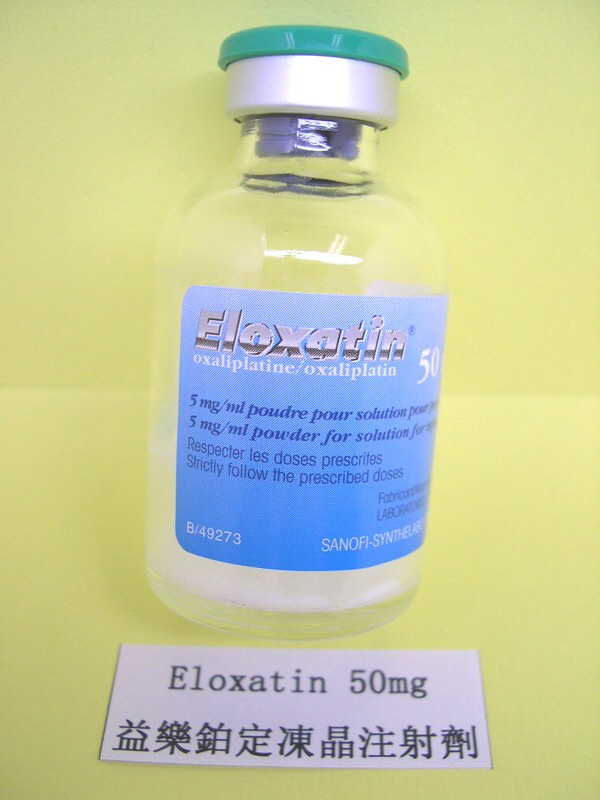
The award he will receive today is the Debiopharm Life Sciences Award (worth 100,000 francs or $89,450.67 CAD)). This year the award is slated for cancer research. The intent of the award is to honour European Life Sciences researchers under the age of 40. The research rewarded by this prize must demonstrate high potential for therapeutic and commercial applications. Debiopharm is currently known for Eloxatin, a treatment for colorectal cancer based on oxaliplatin administered by injection.

Oxaliplatin was one of the cocktail ingredients in my own chemotherapy. It is delivered as an intravenous infusion given over 1-6 hours. The dosage is measured according to the body surface area, calculated by body weight and height. Usually, that means 85 mg/m2 every two weeks. In almost all cases, eloxatin is given with fluorouracil (FU) and folinic acid.

Tuesday, October 10, 2006

An Unwanted Journey: Day 0322 - Continuing Side Effects


No matter how much you hear about it, no matter how prepared you think you are, no matter how much you have researched the topic, the continuity of chemotherapy side effects after chemotherapy has stopped is still a surprise.

I mentioned in an earlier post how I was counting backwards from the time of my last chemotherapy treatment in order to provide myself with some perspective on side effects. Yeah, I'm doing that. But still, Monday night's diarrhea and sore bottom, which continued into Tuesday, thoroughly pissed me off. Here I was visiting the washroom every 50 minutes or so, swearing at myself and angry that I would have to miss yet another day at work. What made it worse was that it was happening almost exactly as if I had a chemotherapy treatment last Friday. But I hadn't. I enjoyed a fairly decent Thanksgiving weekend with my family, with a sore butt and tentative though I might have been in our excursions, but then Monday evening comes along and I am apparently betrayed yet again by my body.

Perhaps my attitude sucks. Perhaps I need to be thinking more about the benefits of being through chemotherapy. I recognize the wisdom in that advice, but I still have to recognize the feelings of frustration and write it out of my system. So, I guess this blog entry is pretty much self-indulgent. Thanks for listening...

Monday, October 09, 2006

An Unwanted Journey: Day 0321 - Completely Preventable


It's a pain-free procedure. But only 5% of the population will develop colorectal cancer. Unless, of course, you happen to have a member of your family who has had colorectal cancer; then your chances of developing cancer are dramatically increased.

So why don't more people follow their doctor's suggestion to have a colonoscopy? Or why don't people request a referral for a colonoscopy from their family physicians?

Physicians are reluctant to prescribe the procedure because it's relatively expensive (until you consider the treatment alternatives after you're diagnosed). From the patient perspective, it is a potentially risky procedure, but complications are so rare that most physicians will never encounter anyone whose has suffered a complication brought on by a colonoscopy. Finally, doctors simply aren't doing a good enough job of recommending and prescribing the procedure.

The most important message I wish to convey from my Unwanted Journey entries is to have a colonoscopy. If you wait until you've had symptoms, then your chances of surviving are reduced to about 50% (I'm certainly optimisitic that I'm in the 50% who will survive). Far too many people, including members of my own family, are playing the odds. And why? Mainly because they don't like the idea of bowel preparation. Granted, not a fun time, but it is pain free, just like the procedure itself.

In a few weeks' time I'll be in Las Vegas. I might even play a few slot machines or gamble at some card games while there. I'll be thinking about odds, to be sure. But when it comes to whether or not to have a colonoscopy, the odds are decidely in favour of having the procedure.

Sunday, October 08, 2006

An Unwanted Journey: Day 0320 - Canadian Thanksgiving


I've started counting backwards from the end of treatment in order to provide myself with some perspective on the continuing side effects. That way, I will train myself to expect some discomfort, some neuropathy, some diarrhea, and some fatigue. I hope to then be less surprised when my body seems to betray me as it did yesterday when visiting the apple orchard with my family. A simple reaching for apples high in a tree, left me in some pain and feeling less confident about how well I was recovering.

Still, that was a minor episode in an otherwise refreshing and genuinely memorable experience with my wife and youngest son. The skies were extraordinary both yesterday and today. Bright blue skies, almost painfully bright sunlight, warm temperatures for this time of autumn, the crunch of biting into an apple only moments before having been plucked from the tree and polished on my sweatshirt to remove the remnants of pesticide, the wash of colours on the trees, especially the sumac by the roadside hills, the slow moving and blue mirror of the Grand River meandering through both the cities and the countryside, the casual, thankful conversations in the car about family traditions, Oktoberfest sausage, Cambridge's Reid's chocolates, and Kitchener's Nougat's speciality foods.

I am so grateful the eighth and final chemotherapy treatment was canceled. Otherwise, this weekend for me would be all about visits to the bathroom, sleeping the days away, and hoping for better times. Instead, my family and I are doing precisely what we want to do on the Canadian Thanksgiving weekend - enjoying each other's company, remembering past Thanksgivings, giving quiet, unmentioned thanks that I am recovering from cancer, eating all the traditional foods and treats, watching some TV, taking drives in the countryside to see the colours of autumn, walking in orchards and conservation areas, and hoping for even better times in the future.

As one person put it, life is about remembering, forgetting, and then remembering again. This Thanksgiving is special for me. It's all about remembering past Thanksgivings, forgetting, if only for a day, the anxiety of this past year, and remembering too that life is short, but can be beautiful.

Friday, October 06, 2006

An Unwanted Journey: Day 0318 - Getting Used to Recovery


The recovery phase is pretty much what the authors of Picking Up The Pieces: Moving Forward After Surviving Cancer predicted. I no longer have Community Care Access Centre (CCAC) nurses coming to my home regularly to monitor how I'm doing and to change PICC line dressings. I no longer have biweekly visits to the Grand River Regional Cancer Centre (GRRCC) where I can talk to oncologists, nutritionists, pharmacists, and nurses about what's happening in my battle with cancer. In other words, I no longer have a regular structure and support network.

Instead, I have occasional questions from colleagues and neighbours about how I'm feeling. Friends and family members tend to talk to me about celebrating the end of treatment with the expectation that it's all about putting the battle behind me and getting on with life. My immediate family is a little more knowledgeable about what the recovery phase is actually all about, and for that I am indeed grateful.

Still, there is a major shift going on now that will take reflection, time, and practice to handle skillfully. One obvious example is the continuity of side-effects. During the past two days, for instance, I have felt as if I had a low-grade flu, with additional symptoms like diarrhea and neuropathy in the feet. My feet have felt as if I was walking on gravel in very thin sponge flip-flops. Not a natural feeling!

On the other hand, I am back at work full-time and making a difference again in the lives of my colleagues...for the good, I hope! I can look forward to fulfilling projects and contributions to the welfare of our information management systems and the productivity of our staff. I have never felt more excited about my work, perhaps because of the troubles I've gone through in the past year.

I still have to take things easy. A full day at work is more than enough right now. The evenings have to be geared towards rest and relaxation with a snooze or two before going to bed for a good 8-9 hours of sleep. I simply cannot consider anything more ambitious right now. Give me a month or two and things will gradually change as I begin to regain physical fitness and work through the exercises in Picking Up The Pieces.

Tuesday, October 03, 2006

An Unwanted Journey: Day 0315 - PICC-less in Kitchener


On a day when other events eclipsed my personal news, I still have many things to be thankful for. Yes, the Grand River Regional Cancer Centre called to have me come in and remove my PICC line, but the Grand River Hospital emergency department is still in the news. ER doctors are overworked and understaffed, so much so that the entire ER ward was to have been closed this past Sunday. The Cambridge Memorial Hospital's ER is now being managed by a private company in order to solve some of its problems. It seems that there is a province-wide malaise in hospital ER departments. Throughout the Waterloo region emergency medical services are certainly in crisis. But all three hospitals seem to be keeping services alive at least. That's something to be thankful for.

I also received a phone call from my eldest son as he was walking home from our local shopping centre and passing by the Forest Heights Collegiate Institute where my youngest son is in grade twelve. Shortly after 11:00 am, the school was locked down and students either evacuated or kept in safe locations throughout the school for up to 3 hours while up to 40 police officers and 12 tactical officers searched for intruders carrying weapons. Arrests have been made and I'm happy to report that no students, including my son, were injured during the code red lockdown.

On a personal level, the skin rash is starting to abate, the PICC line was removed without any problems, and I'm beginning to feel better in general. Side effects are still quite evident - including neuropathy, sensitivity to cold, fatigue, and diarrhea - but they are starting to diminish slightly. Again, something to be thankful for.

This weekend is when Canadians celebrate thanksgiving, so it seems appropriate that so many good things are happening these days.

Sunday, October 01, 2006

An Unwanted Journey: Day 0313 - Re-Mission


So, do you think a 53-year-old male should qualify as a "young person with cancer"?

That was how the gastroenterologist described me when I was first informed that I had a large tumour in the sigmoid colon and rectum and that it was most likely cancerous. "It is quite a large tumour for such a young man as yourself, " he said.

There are days when I feel anything but young. Still, I think I have many of the personality characteristics of someone far younger than my chronological age. In fact, just today, I borrowed the book I purchased yesterday for my son in order to read all about why video games are so good for young people (Everything Bad Is Good For You). The section on video games outlined how gaming makes you smarter by focusing on decision-making, something I have already outlined for friends and family members wondering why my wife and I allow our two sons to spend so much time playing World of Warcraft on their computers.

Which brings me to the point of today's blog entry - cancer gaming, a kind of why-didn't-I-think-of-that situation.

A non-profiit Cailfornia company founded in 2001, called HopeLab, has created an interactive 3rd-person shooter video game called Re-Mission in which players pilot a nanobat called Roxxi through the body of a fictional cancer patient destroying cancer cells and defending the body against side-effects.

The game manual looks interesting. In the Table of Contents, for example, there are a cast of friendly and enemy characters which reads like a mini-textbook of information about cancer.

Friendly Characters

B cells and dendritic cells, macrophage and T cells, platelets, red blood cells

Enemy Characters

Bacteria, brain tumor cancer cells, fat globule, leukemia cells, lymphoma cells, mouth sores, mucous drops and mucuous sludge, neuronal impulses, osteosarcoma cells, stool jag, Reed-Sternberg cells

A study was conducted by HopeLab to see if there were potential health benefits to those playing the game (for the full outcomes study report see http://www.hopelab.org/docs/Outcomes%20Study.pdf). The results were announced in March 2006 (about 1 week before my surgery) to the Annual Meeting of the Society of Behavioral Medicine in San Francisco. Their conclusion was "that a theory-based, data-driven intervention delivered in an appealing interactive videogame context can produce significant increases in cancer-related knowledge and self-efficacy for young people with cancer."

Sounds good to me. Because I am a cancer patient, I qualify with HopeLab to receive a single free copy of the game (but it will take 2-4 weeks before the DVD arrives). And while waiting for the game, the following cancer-related games are worth a try:

Saturday, September 30, 2006

An Unwanted Journey: Day 0312 - Recovery Phase Projects


It may be premature to be thinking about new projects or initiatives one day after learning my chemotherapy treatments are now over. But thinking I am! Last night, I woke up in the middle of the night mulling over the outline for a book proposal.

That particular project is big, but I've already begun a sample chapter to use for proposal submissions to publishing houses. The tentative name? Stage III: My Experience of Rectal Cancer.

I still have to do a lot of work besides writing a draft/sample chapter. There is marketing research, an analysis and comparison of all the books related to rectal cancer and why my book would be different and, one hopes, a welcomed addition. Still, having a project like that in mind has already changed some of my decisions about other priorities. Even if I have to self-publish an electronic book only, it may be worth the effort simply to provide others with a resource more friendly, easier to use, with superior coherency to my existing blog entries, and presumably better written than my blog.

I've started thinking about other, less ambitious projects and initiatives as well. Some would startle even my closest family members. I'll explain some of those in later posts. I am also contemplating returning to some activities and interests that I've let slip - again, something that I intend to share with readers when it seems appropriate.

But for now, my body is demonstrating that no matter how ecstatic I might have been yesterday about the termination of therapy, it will be a long tobaggan ride down Mt Everest. The skin rash continues, the neuropathy and sensitivity to anything cold is still interfering with normal life, and the fatigue is undiminished.

But, following the example of a good friend, I was able to go to Chapters with my family today and buy a good book for each of my sons - Freakonomics for my son beginning his university journey into the world of economics, and Everything Bad is Good for You for my youngest son, the iconoclast of the family, someone who always makes me think twice before making a judgement about the popular culture of his generation.

Yesterday and today have also been characterized by friends and family members who have been writing with congratulations about the end of treatment. I appreciate every single email and phone call. It's also reassuring to know how many people understand the significance this milestone has for me.

Friday, September 29, 2006

An Unwanted Journey: Day 0311 - Skin Rash


It's almost funny now. Yesterday, I noticed a skin rash on my neck that was getting itchy. I thought it might be related to a hooded sweatshirt I was wearing to keep me warm but which might be aggravating my skin. But then today, as I flushed my PICC line, I noticed a skin rash on both my arms, my underarms, chest and back, trunk, and the tops of my legs.

My chief suspect is the clindamycin and ciprofloxacin antibiotics I've been taking for the past week after the fever of a week ago Tuesday. Apart from the shock of seeing so much of a body rash, I am feeling better than I have all week.

I've called the cancer centre and explained everything to the on-call nurse. Being a Friday, it's almost impossible to see a medical oncologist, but I will stop taking the antibiotics until I hear otherwise.

I had actually called the centre earlier in the morning to request cancellation of my final chemotherapy treatment. After all, I've had 7 of 8 treatments in the cycle and this last treatment has been full of fatigue, neuropathy, and general ill health. The rash may not be related to the FOLFOX regimen I'm receiving, but it's just one more thing to add to the growing list. My view is simply that there is a law of diminishing returns in chemotherapy, especially since I had to start so late after surgery at the end of March. Given that the benefits seem so minimal and the side effects so debilitating, why not forget the final treatment and let me enjoy a Canadian thanksgiving with my family?

Now, I'll do whatever the oncologist thinks is necessary, but I should at least ask the question. Given the benefits which appear minimal and the side-effects which appear substantial, why bother? I should hear from the oncologist later in the afternoon.

Update

I just heard from the oncologist and I'm ecstatic! We will cancel my final chemotherapy treatment and I can stop the antibiotics which are the likely cause of my skin rash. This means that my cancer treatment is now officially over! Now I'm into recovery and the standard followup for, oh, let's say the next 6 years.

Wednesday, September 27, 2006

An Unwanted Journey: Day 0309 - Fatigue and Neuropathy


The last few days have been characterized by pronounced fatigue and regular neuropathy. Both have been worse than at any other time during my chemotherapy treatment. The good thing is that other side-effects have been minimal.
It's difficult dealing with these particular side-effects. Sleeping doesn't seem to minimize the fatigue at all, and the neuropathy just comes and goes without any forewarning. I can lie still for a couple hours, and then just reach for a glass of water and find that the tingling in the fingertips makes it almost impossible to grasp the glass.

Still, I keep thinking that there is only one more treatment after this. That thought keeps me buoyed to some extent.

****

On another note, is it possible that cancer blogs will be the focus for spam? I've noticed a couple questionable comments before, but the one from anonymous for Day 0305 is over the top, in my opinion. It's so transparent and so tacky.

Saturday, September 23, 2006

An Unwanted Journey: Day 0305 - Patterns and Confusion


This post is targeted primarily to fellow rectal cancer patients.

This week has been very confusing. Patterns between blood work results and the way my body has been reacting are hard to find.

Friday morning, I arrived early at the Grand River Regional Cancer Centre for my 3rd set of blood tests in one week, followed by my 2nd last chemotherapy treatment. White blood cells had gone from 2.6 on Tuesday to 1.6 on Wednesday to 4.8 on Friday. Haemoglobin and platelets had both improved steadily. The absolute neutrophil counts went, on those same days, from 1.4 (1.5 being the minimum for treatment) to 0.9 to 2.1. I'd been feeling quite poorly on Tuesday, but good for the following three days.

But Wednesday, I started getting rectal bleeding; no pain, just evidence of some blood. Then Friday, near the end of the infusion of oxaliplatin, there was a lot more blood in evidence when defecating. Because no oncologists were available to examine me, I had to find a doctor in the family health network filling in for my general practitioner to do an external exam. At the same time, as the oxaliplatin infusion was nearing completion, I started getting the tell-tale neuropathy symptoms in my finger tips and toes. In fact, the neuropathy symptoms are worse than ever before; I can barely type this post because of the tingling sensation.

The exam from the GP substitute was reassuring to some extent. There was evidence of a fissure at the anal opening, meaning that the blood was most likely from a hemorroid, but we both agreed that it would be prudent to request an examination from my surgical oncologist early next week, if merely to eliminate the possibility that some of the bleeding is coming from the anastomosis itself.

Maybe the fog about patterns and how I'm feeling will clear up somewhat before my last treatment scheduled for two weeks from yesterday.

Wednesday, September 20, 2006

An Unwanted Journey: Day 0302 - Treatment Postponed


"Justice delayed is justice denied."

I think that's how the saying goes. In which case, "treatment delayed is treatment denied." Today, unfortunately, that's exactly what happened. After I told the chemo suite nurse about last night's fever and fatigue, she consulted with the oncologist who decided that we should delay treatment. My absolute neutrophil counts are low anyway, so couple that with the fever and general deepening levels of fatigue I experienced, and I guess it makes sense to make adjustments.

But, now my schedule and planning has to be redone. Unfortunately, my worst days after treatment will occur during weekdays when I would otherwise be at work.

I suppose the appropriate response is simply to acquiesce and realize that there is almost nothing to be done accept quietly accept the reality of low blood counts, fever and fatigue, and then let the oncologist call the shots, acknowledging that the next three weeks I'll probably not work as many hours as I have been recently.

The cancer centre nurse will call me later today with the results of today's blood work. Then, on Friday, we'll do some more blood work testing, and hope for the best.

Update

Results were quite disappointing.

Last night's fever resulted in a 1 point drop in white blood counts and the lowest neutrophil count all year. But other counts were higher. So instead, my oncologist has prescribed antibiotics. I will also have to stay home for the rest of the week, telecommuting to work as much as possible.

You know what's totally unexpected, though?

Today, I felt better than I have in 2 weeks.

Tuesday, September 19, 2006

An Unwanted Journey: Day 0301 - Penultimate Chemo Treatment Tomorrow


No serious discussions today. I just want to get the second last chemo treatment out of the way tomorrow, suffer the increasingly onerous side effects, get well enough for the last treatment, and then get on with the recovery phase.

Even though today's absolute neutrophil count was 1.4 and the minimum is 1.5, it is highly likely that it will be at least 1.5 tomorrow. Even if it isn't, my medical oncologist thinks I look well enough and am coping well enough to get these last two treatment cycles finished without further delay.

The fact is that I've gained weight (perhaps too much) and look reasonably well. But the side effects last far longer now, the fatigue is getting harder and harder to manage, and I'm starting to get facial flushing, a new side-effect.

Just when I'm really getting back into the swing of things at work, it looks like the next three weeks may have me working fewer hours and telecommuting more frequently. I know that's the nature of chemotherapy, but it truly is frustrating. On the other hand, 3 more weeks!

The medical oncologist also warned me to expect 4-6 months of continuing side effects, the worst of which will be fatigue and neuropathy. But they will be seeing me again in 3 months for a CT chest and abdominal scan, followed by blood work to check my CEA and a consultation with the oncologist.
The supportive care coordinator also spent another 10 minutes with me talking about recovery and the emotional upheaval I'll probably encounter. The cancer centre staff will still be available to me, especially social workers and occupational therapists, the former for coping skills and the latter to possibly help with pains and aches in my bottom as I work longer hours at the desk.

I am looking forward to seasonal celebrations again. By Christmas, I should be feeling substantially better, as long as I can hold the worries about recurrence at bay. Perhaps a social worker consultation would be useful!
Sunday, September 17, 2006

An Unwanted Journey: Day 0299 - The God Question

Right after high school, I attend a Pentecostal Bible College in Peterborough, Ontario for three years. After that I attended Trent University for a Honours B.A. in history and philosophy, followed by a year in the ministry with the former dean of the Bible College. That year, although I enjoyed working with the people immensely, convinced me that a life in the full-time Pentecostal ministry would end poorly for me.

The following few years I attended the University of Waterloo where I got an M.A. in history and did most of my Ph.D. studies before deciding that a life teaching in universities was also not something that I wanted to do.

It was during my years at Waterloo that I eventually abandoned my evangelical/fundamentalist religious background. I still believed in God, just not the doctrines that most evangelicals value. I eventually found a home in the Anglican Church of Canada where I continued to grow and change in my perspectives about humanity and divinity.

Today I find myself with what most Christian believers, evangelical or mainline, would consider an extremely liberal perspective (although that term doesn't do justice to my faith journey). I am nontheistic (meaning I do not believe in a God out there somewhere), but still very interested in questions about spirituality and religion and the ways in which we can experience divine dimensions in everyday life.

What has this to do with cancer? Well, many people diagnosed with a life-threatening illness find themselves returning to church and to traditions that they may have abandoned earlier in life. That kind of return will never work for me.

But...ultimate questions (as Paul Tillich would have called them) are still important, perhaps more important than ever to me. And I still think that the divine - whether we call it God, Spirit, Suchness, the One, whatever - is a matter of personal experience that enriches life tremendously. But I have to emphasize that it is a matter of experience and not doctrine.

During my unwanted journey, I have noticed many things about my own and other people's relationship with the divine. I have come to appreciate once again things like the laying on of hands and extemporaneous prayer, all the while being uncertain what I thought about such things. I also realized that I didn't want to be condescending of others who prayed for me, even though I don't believe in a God who intervenes in human affairs. I didn't want to say, or think, that their prayers were merely expressions of care and concern and nothing else. But I also couldn't say that I believed they were intervening on my behalf with some kind of God who needs us to pray in order to do good things. In other words, I was more than a little confused.

Yesterday I spoke about the 3-2-1 Process in which we consciously uncover repressed feelings and unconscious perspectives about that which disrupts our lives - cancer being the most obvious. But as I drove home from Barrie last week, I also listened to and learned about another process called the 1-2-3 of God in which we also use the perspective of 1st, 2nd, and 3rd persons to explicitly integrate our experience of the divine.

I am beginning to appreciate a solution to my dilemma about laying on of hands and prayer in treating cancer (or any other illness). With the 1-2-3 of God, we experience God (or Spirit or Allah or whatever term resonates within) as an It in 3rd person; in other words, we talk about, think about, and contemplate Spirit in the 3rd person.

Then we commune with Spirit as "the beloved infinite Thou" (see Martin Buber's I and Thou). Even though I have been uncomfortable with 2nd person expressions about the divine, I am beginning to reverse this opinion, especially in light of my good experiences with others praying for me, explicitly using language in which God is addressed in the 2nd person.

Finally, and this is where evangelicals would probably bow out of the process, we "rest in God as my own Witness and primordial Self, the Big Mind that is one with all, and in the ever-present, easy, and natural state, I go on about my day." This perspective resonates with my current perspective about the divine, but I could certainly work on it further.

What this all means is that I am beginning to find room in my life for different perspectives of Spirit through the extremely simple idea of the 1-2-3 of God process. Maybe other cancer patients and survivors will find something here that resonates for them as well.

Saturday, September 16, 2006

An Unwanted Journey: Day 0298 - Driving Away the Shadow of Cancer


One of my favourite activies is driving the car. Maybe it's because I couldn't drive for a long time after my cancer surgery. Maybe it's because when I could eventually drive again, I found it to be one of the most comfortable things that I could do. But I think there are other, equally important reasons why getting behind the wheel is such a pleasant activity.

We have a fairly nice car, a 2004 black Toyota Camry. It rides well, looks good, and is very dependable. It's a pleasure to own. So, just the nature of the vehicle itself gives me a certain amount of pleasure.

But I love to drive for other reasons which have nothing to do with the specific car I own. I enjoy the opportunity driving affords for maintaining relationships, especially one-on-one relationships with my wife or sons. Driving means taking time to talk about life, about what's happening and what's important in their lives, about my pet projects and opinions, or even just about the weather and what we see out the window.

I also love to drive without company, all alone with my thoughts or with some good audio material.

On my way to Barrie and back again to Kitchener on Thursday, I listened to CDs from the Integral Institute, specifically something from the Integral Life Practice Starter Kit called an introduction to the 3-2-1 Shadow-Work Process. The shadow is anything about ourselves that we unconsciously repress or deny.

Cancer, or the fear of cancer at least, is just about as close to the shadow as anything I can imagine. The 3-2-1 process is about shifting perspectives as a way to identify and integrate any shadow material in our lives. "3-2-1" refers to using 3rd-person, 2nd-person, and 1st-person perspectives, one after the other. To do so - first we Face It in 3rd-person, then we Talk To It in 2nd-person, and finally we Be It in 1st-person. In this way, we intentionally reverse the original process in which the shadow became unconscious and repressed.

Using cancer to illustrate, most of us facing a diagnosis disown the 1st-person awareness by pushing it outside of ourselves into a 2nd-person perspective. The experience is then one in which cancer is something outside myself. Cancer becomes a You that I hate and blame for my misfortune. If my rejection of cancer is especially intense, I go further and push it out entirely as a 3rd-person perspective , a total rejection. Cancer becomes an It, perhaps even a devil or wicked spirit.

I did all of this unconsciously. In fact, until I discovered the 3-2-1 Process, I would never say something like, "I have cancer" or "my cancer" (Leroy Sievers often puzzled me in this regard by calling his blog My Cancer; he's clearly a braver, more aware person than me).

But even though I didn't know about the 3-2-1- process, I happened to discover at least part of the process through writing a blog. Using the almost daily discipline of writing about cancer, I began to Face It. But I have never accidentally come up the 2nd-person and 1st-person aspects of the process. That is yet before me. To get there, I think I'll take a nice long drive in my car.

An Unwanted Journey - Day 0298 - Stories

Thursday, I was fortunate to have a long visit with my mother and father, my brother, and my cousin and her husband. The latter had traveled to Barrie all the way from Bogota, Columbia. In fact, it was the first time that I had been able to visit with her since she was married 19 years ago. It was a good day, even though I found the driving up to Barrie and back again to Kitchener quite tiring.

We all were telling stories on Thursday, stories about buying land outside Bogota, stories about my parents' trip in the car to Calgary and Vancouver and back again, and, naturally, stories about my unwanted journey. It's fascinating to realize just how important stories are to how we communicate with one another. Stories aren't the only way to communicate, but they sure are an effective means to do so.

One of the things I like about stories is their open-endedness. Stories honour the listener by allowing them to participate and to interpret in their own highly personal ways. Stories don't tell someone how to think. Stories don't lecture. They are implicit invitations to join in.

By way of example, my cousin and I were talking for awhile about their ministry in South America. She and her husband are managers of a Christian missionary program in which teams of young people go into churches and present dramas. In other words, they act out stories. Now I'm not a big fan of sermons in churches. They are far too didactic and preachy for my liking these days. But tell a story or put on a dramatic presentation and I'm right there with you.

Obviously, my blog is mostly about a story line these days. In fact, some good friends tell me that they only read the blogs in which I am telling a story. They're not particularly interested in scientific studies and research.

Fair enough. But even though I would argue those other entries have their place and are useful to other people, I have to admit that most family and friends are better served by blog entries in which I tell a story, whether it be a narrative about surgical complications, about medical mistakes, about the generosity of particular individuals (thanks, Ron, for the great book), about how I've been feeling, even about ways in which my unwanted journey has revealed truths to me that I would otherwise never have learned.

Cancer, when viewed medically or scientifically, is all about harsh material realities. Cancer, when viewed internally or socially, is all about stories. It's about how I as an individual or we as a community generate meaning through the shared drama of cancer. Yes, that's right. One perspective of cancer is that it is a narrative. In that sense, the story line of cancer can be if not always enjoyable, at least meaningful and memorable.

Wednesday, September 13, 2006

An Unwanted Journey: Day 0295 - CEA and Recurrence


Yesterday, I wrote about how the surgical procedure total mesorectal excision reduces the chances of local rectal cancer recurrence to considerably less than 10%.

That was yesterday. Today, I discovered that the Archives of Surgical Oncology has recently suggested that carcinoembryonic antigen (CEA) levels following surgery are associated with local recurrence and survival for Stage III rectal cancer patients (me). According to the article, a large portion (presumably more than 10%) of Stage III rectal cancer patients experience a recurrence. Levels of the protein CEA may help oncologists determine who is likely to develop recurrence or who is likely to have a poor prognosis.

631 patients studied in South Korea had CEA levels taken 7 days before and 7 days after. If their levels were high prior to surgery and continued to rise after surgery, then their chances for survival were greatly diminished.

I don't happen to know anything about my CEA levels prior to or following surgery. I don't even know whether CEA is being monitored during my chemotherapy treatments. But I have called my supportive care coordinator and should find out within a couple of days what the situation is.

In the meantime, I feel somewhat confused about the obvious discrepency about survival statistics for Stage III rectal cancer patients between what is said about total mesorectal excision (TME) and what is being reported about CEA levels. Perhaps there is no contradiction. After all, one could easily have a TME and low levels of CEA.

One way or the other, these are the kinds of questions and concerns that will preoccupy me during the recovery transition period following my last chemotherapy treatment.

Tuesday, September 12, 2006

An Unwanted Journey: Day 0294 - Preventing Colorectal Cancer?


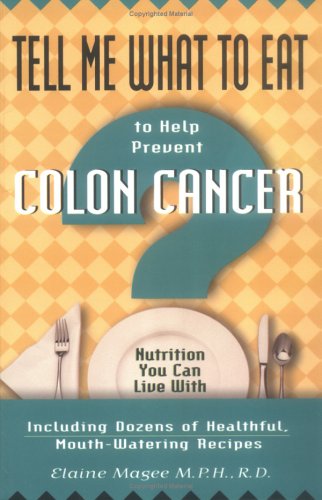
In the book Tell Me What to Eat To Help Prevent Colon Cancer, whose frontpiece graces yesterday's blog entry, there is a Q&A section in which one question is "What causes colon cancer?". Good question. The answer: "Unfortunately, we do not yet know the exact causes of colon cancer."

But the premise of the book is prevention through nutrition. Maybe it's just me or maybe it's the nature of the popular press, but I can't help but wonder how books get published purporting to prevent diseases without having a solid foundation in the research into the causes of such diseases. But they're everywhere! Go into a health section of your local bookstore and you'll find books a plenty claiming to have the answers. Most of them simply tell you to avoid grilled meats, avoid cooking on the BBQ, and eat lots of fiber. Certainly not rocket science...perhaps not even nutritional science.

On the other hand, preventing recurrence of rectal cancer is something about which we can speak authoritatively. The surgical technique of total mesorectal excision (something which I had done) has reduced the incidence of recurring rectal carcinoma to considerably less than 10% (from Rectal Cancer Treatment).

I recognize that cancer prevention is a research area fraught with difficulties, scientific proof being only one of the most obvious. But definitions are also important. Generally speaking, cancer prevention is defined as "all measures that limit the progression of cancer at any time during its course." (Contemporary Issues in Colorectal Cancer: A Nursing Perspective). But there are distinctions to be made.

Primary prevention deals with health strategies for healthy individuals to decrease vulnerability. Secondary prevention deals with high-risk individuals, and tertiary prevention deals with reducing morbidity among those with irreversible or permanent disease. All are important and each has been addressed to some extent in the scientific literature.

My recommendation to those diagnosed with colorectal cancer or to those, like myself, contemplating a transition to cancer survivor status, is to consider reading the scientific literature broadly and avoid the popular press. One way to do so is provided free of charge through Google Book Search. To get a sense of what is available and what is possible with this fantastic tool, check out the following search on the phrase preventing rectal cancer.

Monday, September 11, 2006

An Unwanted Journey: Day 0293 - Food for the Journey


Side effects from chemotherapy are arriving earlier and lasting longer than ever. But thanks to the good advice from a nutritionist at the Grand River Regional Cancer Centre, the bowel troubles were less intense this time. She recommended the BRAT diet - bananas, rice, apple sauce and toast.

Part of the rationale was that chemotherapy accelerates transit time in cancer patients. Normally that's not a problem, but if you've been eating acidic or spicy foods, then you can expect troubles. A bland diet means that no matter how quick the transit time, at least you won't have to deal with acid burns during bowel movements.

Sorry, but when we're dealing with colorectal cancer, there's no getting around some of the distasteful aspects of side effects. This is one little lesson that is well worth remembering though.

This time, after the 6th treatment, the side effects lasted far longer, from Friday afternoon to Monday afternoon. But the dietary recommendations meant relatively less pain.

****

Dietary recommendations are probably the most frustrating aspect of gathering useful information for cancer patients. Part of the problem is the implied judgement, especially with colorectal cancer, that linkages are often made when discussing diet.

I have come to reject those linkages in my own case, partially to protect myself emotionally, partially because I am not convinced anyone is saying anything very useful about diet and the cause of my own tumour growth. After all, I was vegetarian for years and a vegan for quite a while before being diagnosed. I ate well and kept good dietary habits, even though I was certainly overweight.

Speculation about what I ate as a teenager having a causative relationship with my eventual cancer is about as useless to me now as wondering about how I dealt with stress as a 40-something man when the tumour started growing.

But if you leave causation aside, dietary recommendations are also fraught with contradictions for the patient trying to deal with cancer and treatment-related side effects. Fiber or no fiber? Veggies and fruit or bread and rice? Lots of little meals or one or two bigger meals? Ask one nutritionist and then another and you'll be sure to get different recommendations, each of which sounds reasonable at the time.

Ultimately, my recommendation would be to find a nutritionist at your treatment centre who knows how to listen, who isn't ideologically tied to a particular approach, and who is willing to take the time to understand exactly what is happening in your life at a specific time. The nutritionist I speak with every two weeks is precisely that kind of person. Her's is not an exact science, but she listens and she adapts to what I tell her about my experiences.

I see the nutritionists inthe chemo suite regularly giving lengthy consultations with patients. In my view, a well-designed and adaptive nutritional strategy can help tremendously, but only if the patient gives accurate information and the nutritionist listens carefully.

Bon appetit!

Friday, September 08, 2006

An Unwanted Journey - Day 0290 - Colorectal Cancer Genes


Ever wonder why treating colorectal cancer seems so complicated? Or, if it is in fact so complicated, why the chemotherapy protocols seem so similar from one patient to the other?

Yesterday in Science, it was announced that scientists have identified most of the genes causing breast and colorectal cancer. Elias Zerhouni, director of the National Institutes of Health, suggests that this mapping of genes to two of the biggest cancer killers worldwide should lead to a change in the standard treatment. Instead of one-size-fits-all, knowing the genes involved should lead to better genetic diagnoses and genetic treatment protocols individualized to patient needs.

It may take some time, however. There are 122 genes affecting breast cancer and 69 genes affecting colorectal cancer. There are, surprisingly, almost no overlaps in the genes causing the two cancers. Since 40,000 die each year in the USA of breast cancer and 56,000 die each year of colorectal cancers, it is critical that further research and testing is conducted right away.

In the case of colorectal tumours, the scientists discovered that identical tumours of the same organs had only about five genes in common, obviously making standard chemotherapy treatments useful for only some patients, while others find themselves benefitting little, if at all.

How long do we have to wait? At least 2-3 years for the first genetic tumour profiles and treatment protocol modifications. But new technology may reduce time to treatment. I would remind readers of a simple way they can contribute to this research - visit www.worldcommunitygrid.org and sign up for the Help Defeat Cancer project.

Thursday, September 07, 2006

An Unwanted Journey: Day 0289 - Emotional Rollercoaster


"During my illness, I was the strong one for my friends and family, always the one with the positive attitude. But after treatment, I lost it. I really fell apart. I fluctuated between being angry and terrified that I would die, and happy and grateful for being alive. These big emotional changes drained me and left me wondering what was happening to me." -- Lynn, 48 years old, leukemia, 2-year survivor

As quoted in Picking Up The Pieces, p.109

It's Thursday, 9-Sep-2006, the day after my 6th chemotherapy treatment at the Grand River Regional Cancer Centre. I have what is "affectionately"? called my baby bottle in my left pocket with a tube extending from it up my shirt and then down my shirt sleeve of my left arm connecting it to my PICC line. The bottle automatically dispenses 5 ml/hr directly in the veins close to my heart. The medication then flows through the entire body in the bloodstream and then, within a few hours, is absorbed into tissues. It then targets fast-growing cells in the body like those in the gastrointestinal tract, the mouth, white blood cells, platelets, neutrophils, etc.

What I'm feeling today is partially related to my expectations for what the 5-FU infusion will eventually do to my body, especially over the course of the weekend when I'll be fatigued, probably nauseous, and suffering diarrhea. This entails feelings of loss of control, anxiety, uncertainty, and frustration.

But I find myself anticipating the end of treatment, not only the physical side effects which will continue indefinitely, but the emotional impact of no longer having emotional support from nurses at CCAC (Care Partners) and the GRRCC nurses, supportive care coordinators, nutrionists, and oncologists. At least that will be the case on a regular basis; there will undoubtedly be the followup sessions and telephone consultation, should I need the latter.

Even friends and family will be less available, simply because the natural response to the end of treatment is that they will consider me either "cured" or in remission (that is the term preferred by oncologists who cleary speak of cancer now as a chronic disease, one managed rather than cured). I will also appear physically to them to be looking pretty good. I've lost weight, and unless I pull open my shirt and tug my pants down a bit, they will never see the lengthy scar on my abdomen.

In some ways, after the shock of the initial diagnosis, I have been strong emotionally. Part of that strength is bolstered by the incredible level of structured and casual support I have received during treatment. But now as I am only weeks away from "graduating", I feel more and more like Lynn. I anticipate the emotional rollercoaster with only my wife and a few friends who have experienced colorectal cancer to be available for regular support.

Perhaps this is a good time to reconsider using the services of our local cancer support groups at HopeSpring. The problem with their services and programs is that they are almost all scheduled during the work day when professional facilitators are readily available. My employment responsibilities are too important to me both financially and emotionally to consider daytime support groups.

So, I'm left with books, online help, and you! I do hope that some of the colorectal cancer patients in the region and elsewhere will feel free to contact me via email. Perhaps we can start up a support group in the region specifically for colorectal cancer survivors (and those undergoing treatment). We need each other both during treatment and in the recovery transition phase.

Wednesday, September 06, 2006

An Unwanted Journey - Day 0288 - Down Again


This blood count saga is strange.

Today, after having problems yet one more time drawing blood from my PICC line, the blood test results were disappointingly low. Two weeks ago, I registred some of the highest (read, healthiest) levels I've had all year. But today, with the exception of a steadily rising haemoglobin level, the white blood count, platelets, and absolute neutrophil counts were all dramatically lower.

I guess this dramatizes just how important it is that I take really good care of myself during these last three cycles of chemotherapy (and afterwards too). Still, the oxaliplatin and 5-fluorouracil will drop those blood counts no matter how well I eat, walk, meditate, reduce stress, etc. This is just the way it works.

If my analysis of the blood count trends means anything, I could just as easily rebound from these low counts by the time 2 weeks pass by as have them decrease even further. But the overall trend of the effects of chemotherapy is very clear. Even if the counts rebound slightly, they will continue to decline as long as I am receiving chemotherapy. But with only 2 more treatment cycles to go, I might just make it without another delay.

****

On a happier note, cancer research continues to produce results worth celebrating.

A new cancer vaccine could reduce deaths from cervical cancer by as much as 75% in the future. The protocol would involve vaccinating girls at age 12 with a vaccine targeting the human papilloma virus (HPV) which is sexually transmitted. Eventually, because the virus is transmitted sexually, boys would also be vaccinated. Cervical, anal, rectal, and penile cancers are implicated with HPV infection.

Monday, September 04, 2006

An Unwanted Journey: Day 0286 - Now What?


I have been feeling uneasy for some time now. I am not quite through treatment, but the end is certainly closer than ever - only three more FOLFOX treatment cycles to go. Unless there is another chemotherapy holiday in store for me, October 4th will be my final treatment date at the Grand River Regional Cancer Centre. That will be followed by a weekend of side-effects and then by the removal of the PICC line I have been sporting on my left arm since 13-Jun-2006. There will be continuing side effects for a few weeks or a few months, according to the medical oncologist. But the point remains - I am getting close to the end of cancer treatment.

There will be a followup process which, according to the guidelines of Cancer Care Ontario, will last approximately 6 years. The first 2 years will involve quarterly X-rays, physical exams, blood work, and possibly ultrasound tests. At the 3-year mark, I will undergo another colonscopy performed by my surgical oncologist, the person most familiar with how that part of my anatomy should look now. So, yes, there will be a fair amount of regular contact with oncologists and the GRRCC for quite some time.

But, I will no longer undergo cancer treatment unless there is a recurrence, which is really what the regular examinations are all about anyway. Recurrence of colorectal cancer is statiscally more than significant; it is quite high.

All of these concerns are not why I am feeling uneasy. What bothers me is the realization that I will soon enter another realm, that of the cancer survivor, and I am not prepared for what it will be like.

Some say that treatment is all about eliminating the disease, while recovery is all about healing the person. Maybe. But if so, I don't really know what to expect of the healing process. What it looks like from this side, though, is a very lonely process in which there is no longer a host of medical personnel attending to my condition. There are no apparent physical indicators of having been the victim of cancer. And there are no specific expectations about how to behave, about what to expect in the way of appropriate behaviour from other people, about how to live my life.

Where do I go from here?

The Lance Armstrong Foundation has published a book about cancer survivor stories - Live Strong: Inspirational Stories from Cancer Survivors-from Diagnosis to Treatment and Beyond. Those stories are helpful in a way, but everyone is so different that I'm still wondering about the nature of surviving and what will be most meaningful for me.

Today, I found and purchased a book which I hope will be even more helpful - Picking Up The Pieces: Moving Forward After Surviving Cancer. It's the first book which combines cancer survivor experiences with a recommended practical recovery process. Whatever resources I can find, I know that I will be facing yet another journey soon, one that is not so much unwanted (after all, survival is far superior to the alternative!) as uncertain.

Sunday, September 03, 2006

An Unwanted Journey: Day 0285 - Fixing Mistakes


As I continue to read news articles and reports on the tragic death of Rainbow Lake's Denise Melanson from a 5-Fluorouracil overdose, I have wondered about how hospitals in Canada handle medication mistakes. From a patient perspective, it is not at all clear what policies and procedures are in place to deal with such errors. What initiatives are underway to prevent such mistakes happening in the future? Who is managing and monitoring mistakes at the national level (Canadian health care is largely a provincial responsibility).

Like most cancer patients, I am not particularly interested in assigning blame, especially given the professional care which we receive in our own battles with cancer. I deeply respect and admire the oncologists, nurses, volunteers, counsellors, nutritionists, pharmacists, technical specialists, and administrative staff. Without these people, my life expectancy would be far shorter than it is.

Still, I have a vested interest in knowing that appropriate policies, procedures and guidelines are in place and are currently being re-examined in light of this event, everywhere in Canada, not just in The Cross Cancer Institute in Edmonton, Alberta.

I wrote Friday of my first-hand experience in oversights and errors during my treatment. I don't think most of them are very serious (although I am concerned about possible radiation proctitis afflicting me in the future), but the fact remains that the consequences of medical mistakes are not as important as the recognition and amelioration of the practices leading to such mistakes. Thanks to Google News' listing of articles about the Melanson story, it appears that something is being done, although each story raises more questions than it answers.

The Cross Cancer Institute has already taken steps to remedy the situation. Each patient will have to wait one hour after a pump has been programmed to automatically dispense medication. And a third nurse will be involved in checking the doses. The Institue has also contacted the Safe Medication Practices Canada organization (ISMP) to investigate.

It will be interesting to see what local hosptials and cancer centres do in light of this event. Ideally, their safety teams will consider patient involvement in advisory committees. They should also recommend that patients bring complete, up-to-date medication lists to each and every appointment (see the 100K lives Campaign).

Friday, September 01, 2006

An Unwanted Journey: Day 0283 - Medical Mistakes


This might not have been the best week to learn about a fatal human error in administering fluorouracil to an Edmonton cancer patient. The woman's family has requested anonymity, but the incident occurred in The Cross Cancer Institute of Edmonton, Alberta.

There is a lot to be admired about cancer treatment in Alberta; unfortunately, this mistake by a nurse, who programmed an electronic pump to administer a 4-hour dosage of 5-FU that was intended to be given over 4 days, is likely to eclipse all good news in Alberta for quite a while.

The 43-year-old woman died in the University of Albera Hospital after her body's organs and systems failed. No antidote exists for such a massive overdose. To make the situation even more poignant, her oncologist believed that the woman's chances of winning her battle with cancer were about 75 percent before she was given the overdose (see the Edmonton Journal article).

Another patient with colon cancer is quoted in the article extolling the virtues of The Cross Cancer Institute. That patient has a pump that administers his 5-FU in a 46-hour period much like myself.

I, too, wouldn't hesitate to praise the staff at the Grand River Regional Cancer Centre. But I would also acknowledge that mistakes get made. I would add that it is in the patient's best interest not to depend on medical staff for ensuring that all procedures are being followed correctly, or that dosages are accurate, or even that mechanical issues aren't overlooked. My advice? Ask lots of questions. Document everything being done to you. Don't be afraid to look stupid. Get copies of as many medical records as you can and read them all.

I've seen and experienced medical mistakes and possible oversights including the following:

  • a doubling of anti-emetic steroids in "opus" and oral forms
  • an oversight in which my PICC line was closed when it should have been opened by a GRRCC nurse
  • inclusion of the anus in the field of radiation by one oncologist that was immediately excluded by the succeeding oncologist
  • failure to provide a transfusion after a bleeding ulcer until a subsequent hospitalization for pulmonary embolii
  • mistakes in prescriptions by a supportive care coordinator after complaints about side-effects of radiation therapy
  • incorrect insertion of a bladder catheter causing penile bleeding
  • regular lateness in administering drugs and pain killers while hospitalized

The point here is not to chastize medical staff in the hospital or the cancer centre. It is to instruct the patient based on my own experience of both wonderful medical care and medical oversights. Pay attention! If cancer doesn't kill you, medical treatment can!

An Unwanted Journey: Day 0283 - Rosenberg and Origer


I just love to read stories like this.

About 25 years ago, Dr. Steven Rosenberg met a patient who was able to defeat his cancer not with chemotherapy, radiation, or surgery, but through his own immune system. Somehow he was able to turn his immune system into an agent that found and then killed his cancer cells. For the past 25 years, Dr. Rosenberg has been conducting research hoping to find out how to do this for other cancer patients. It seems that now, despite his hesitation to trumpet his own research results, there is reason to believe he has found a mechanism to turn the immune system into what CNN calls "cancer smart bombs".

The approach is high-tech. Rosenberg and his colleagues have created a genetically engineered virus that finds and attaches itself to cancer cells (melanoma, lung, colon, breast). The virus is inserted into the patient's lymphocytes (white blood cells that fight infection) in a lab setting. Then the patients undergo chemotherapy to destroy almost all of their original immune cells (that's the part that worries me!). Then the genetically altered lymphocytes are reintroduced into the body, along with Interleukin 2 to strengthen the immune system so recently devastated with chemotherapy. Finally, the newly invigorated immune system with its genetically altered lymphocytes begin to seek and destroy the cancer cells specifically targeted in the genetic engineering. All of this high-tech information is reported in this week's journal of Science.

Obviously, Rosenberg's involvement in this story is critical and will continue to inspire cancer researchers as they develop the approach further. But what about the patients?

Mark Origer is one of the patients who benefitted from the clinical trials. His CNN story is available in video format (I recommend going to the above-mentioned smart bomb link and initializing the video from there). The short summary of his experience is that his recurrent melanoma threated his life and his hopes to walk his daughter down the aisle for her wedding. Origer participated in the trial and has been cancer-free for 18 months. The video clearly touches the emotional heart strings as he speaks about that special day at his daughter's wedding.

When I was diagnosed with cancer, one of the most distressing aspects was anticipating that I might not be alive to attend special family events such as weddings or the birth of grandchildren. Researchers like Rosenberg and patients like Origer give all of us cancer patients hope that we can be there for those special occasions.