Tuesday, September 12, 2006

An Unwanted Journey: Day 0294 - Preventing Colorectal Cancer?


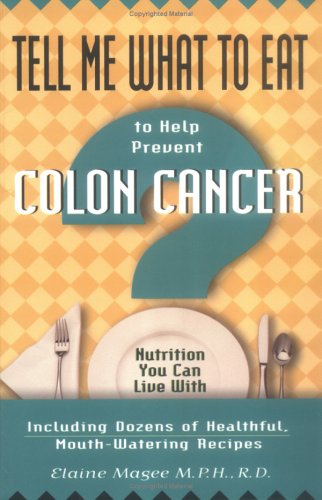
In the book Tell Me What to Eat To Help Prevent Colon Cancer, whose frontpiece graces yesterday's blog entry, there is a Q&A section in which one question is "What causes colon cancer?". Good question. The answer: "Unfortunately, we do not yet know the exact causes of colon cancer."

But the premise of the book is prevention through nutrition. Maybe it's just me or maybe it's the nature of the popular press, but I can't help but wonder how books get published purporting to prevent diseases without having a solid foundation in the research into the causes of such diseases. But they're everywhere! Go into a health section of your local bookstore and you'll find books a plenty claiming to have the answers. Most of them simply tell you to avoid grilled meats, avoid cooking on the BBQ, and eat lots of fiber. Certainly not rocket science...perhaps not even nutritional science.

On the other hand, preventing recurrence of rectal cancer is something about which we can speak authoritatively. The surgical technique of total mesorectal excision (something which I had done) has reduced the incidence of recurring rectal carcinoma to considerably less than 10% (from Rectal Cancer Treatment).

I recognize that cancer prevention is a research area fraught with difficulties, scientific proof being only one of the most obvious. But definitions are also important. Generally speaking, cancer prevention is defined as "all measures that limit the progression of cancer at any time during its course." (Contemporary Issues in Colorectal Cancer: A Nursing Perspective). But there are distinctions to be made.

Primary prevention deals with health strategies for healthy individuals to decrease vulnerability. Secondary prevention deals with high-risk individuals, and tertiary prevention deals with reducing morbidity among those with irreversible or permanent disease. All are important and each has been addressed to some extent in the scientific literature.

My recommendation to those diagnosed with colorectal cancer or to those, like myself, contemplating a transition to cancer survivor status, is to consider reading the scientific literature broadly and avoid the popular press. One way to do so is provided free of charge through Google Book Search. To get a sense of what is available and what is possible with this fantastic tool, check out the following search on the phrase preventing rectal cancer.

Monday, September 11, 2006

An Unwanted Journey: Day 0293 - Food for the Journey


Side effects from chemotherapy are arriving earlier and lasting longer than ever. But thanks to the good advice from a nutritionist at the Grand River Regional Cancer Centre, the bowel troubles were less intense this time. She recommended the BRAT diet - bananas, rice, apple sauce and toast.

Part of the rationale was that chemotherapy accelerates transit time in cancer patients. Normally that's not a problem, but if you've been eating acidic or spicy foods, then you can expect troubles. A bland diet means that no matter how quick the transit time, at least you won't have to deal with acid burns during bowel movements.

Sorry, but when we're dealing with colorectal cancer, there's no getting around some of the distasteful aspects of side effects. This is one little lesson that is well worth remembering though.

This time, after the 6th treatment, the side effects lasted far longer, from Friday afternoon to Monday afternoon. But the dietary recommendations meant relatively less pain.

****

Dietary recommendations are probably the most frustrating aspect of gathering useful information for cancer patients. Part of the problem is the implied judgement, especially with colorectal cancer, that linkages are often made when discussing diet.

I have come to reject those linkages in my own case, partially to protect myself emotionally, partially because I am not convinced anyone is saying anything very useful about diet and the cause of my own tumour growth. After all, I was vegetarian for years and a vegan for quite a while before being diagnosed. I ate well and kept good dietary habits, even though I was certainly overweight.

Speculation about what I ate as a teenager having a causative relationship with my eventual cancer is about as useless to me now as wondering about how I dealt with stress as a 40-something man when the tumour started growing.

But if you leave causation aside, dietary recommendations are also fraught with contradictions for the patient trying to deal with cancer and treatment-related side effects. Fiber or no fiber? Veggies and fruit or bread and rice? Lots of little meals or one or two bigger meals? Ask one nutritionist and then another and you'll be sure to get different recommendations, each of which sounds reasonable at the time.

Ultimately, my recommendation would be to find a nutritionist at your treatment centre who knows how to listen, who isn't ideologically tied to a particular approach, and who is willing to take the time to understand exactly what is happening in your life at a specific time. The nutritionist I speak with every two weeks is precisely that kind of person. Her's is not an exact science, but she listens and she adapts to what I tell her about my experiences.

I see the nutritionists inthe chemo suite regularly giving lengthy consultations with patients. In my view, a well-designed and adaptive nutritional strategy can help tremendously, but only if the patient gives accurate information and the nutritionist listens carefully.

Bon appetit!

Friday, September 08, 2006

An Unwanted Journey - Day 0290 - Colorectal Cancer Genes


Ever wonder why treating colorectal cancer seems so complicated? Or, if it is in fact so complicated, why the chemotherapy protocols seem so similar from one patient to the other?

Yesterday in Science, it was announced that scientists have identified most of the genes causing breast and colorectal cancer. Elias Zerhouni, director of the National Institutes of Health, suggests that this mapping of genes to two of the biggest cancer killers worldwide should lead to a change in the standard treatment. Instead of one-size-fits-all, knowing the genes involved should lead to better genetic diagnoses and genetic treatment protocols individualized to patient needs.

It may take some time, however. There are 122 genes affecting breast cancer and 69 genes affecting colorectal cancer. There are, surprisingly, almost no overlaps in the genes causing the two cancers. Since 40,000 die each year in the USA of breast cancer and 56,000 die each year of colorectal cancers, it is critical that further research and testing is conducted right away.

In the case of colorectal tumours, the scientists discovered that identical tumours of the same organs had only about five genes in common, obviously making standard chemotherapy treatments useful for only some patients, while others find themselves benefitting little, if at all.

How long do we have to wait? At least 2-3 years for the first genetic tumour profiles and treatment protocol modifications. But new technology may reduce time to treatment. I would remind readers of a simple way they can contribute to this research - visit www.worldcommunitygrid.org and sign up for the Help Defeat Cancer project.

Thursday, September 07, 2006

An Unwanted Journey: Day 0289 - Emotional Rollercoaster


"During my illness, I was the strong one for my friends and family, always the one with the positive attitude. But after treatment, I lost it. I really fell apart. I fluctuated between being angry and terrified that I would die, and happy and grateful for being alive. These big emotional changes drained me and left me wondering what was happening to me." -- Lynn, 48 years old, leukemia, 2-year survivor

As quoted in Picking Up The Pieces, p.109

It's Thursday, 9-Sep-2006, the day after my 6th chemotherapy treatment at the Grand River Regional Cancer Centre. I have what is "affectionately"? called my baby bottle in my left pocket with a tube extending from it up my shirt and then down my shirt sleeve of my left arm connecting it to my PICC line. The bottle automatically dispenses 5 ml/hr directly in the veins close to my heart. The medication then flows through the entire body in the bloodstream and then, within a few hours, is absorbed into tissues. It then targets fast-growing cells in the body like those in the gastrointestinal tract, the mouth, white blood cells, platelets, neutrophils, etc.

What I'm feeling today is partially related to my expectations for what the 5-FU infusion will eventually do to my body, especially over the course of the weekend when I'll be fatigued, probably nauseous, and suffering diarrhea. This entails feelings of loss of control, anxiety, uncertainty, and frustration.

But I find myself anticipating the end of treatment, not only the physical side effects which will continue indefinitely, but the emotional impact of no longer having emotional support from nurses at CCAC (Care Partners) and the GRRCC nurses, supportive care coordinators, nutrionists, and oncologists. At least that will be the case on a regular basis; there will undoubtedly be the followup sessions and telephone consultation, should I need the latter.

Even friends and family will be less available, simply because the natural response to the end of treatment is that they will consider me either "cured" or in remission (that is the term preferred by oncologists who cleary speak of cancer now as a chronic disease, one managed rather than cured). I will also appear physically to them to be looking pretty good. I've lost weight, and unless I pull open my shirt and tug my pants down a bit, they will never see the lengthy scar on my abdomen.

In some ways, after the shock of the initial diagnosis, I have been strong emotionally. Part of that strength is bolstered by the incredible level of structured and casual support I have received during treatment. But now as I am only weeks away from "graduating", I feel more and more like Lynn. I anticipate the emotional rollercoaster with only my wife and a few friends who have experienced colorectal cancer to be available for regular support.

Perhaps this is a good time to reconsider using the services of our local cancer support groups at HopeSpring. The problem with their services and programs is that they are almost all scheduled during the work day when professional facilitators are readily available. My employment responsibilities are too important to me both financially and emotionally to consider daytime support groups.

So, I'm left with books, online help, and you! I do hope that some of the colorectal cancer patients in the region and elsewhere will feel free to contact me via email. Perhaps we can start up a support group in the region specifically for colorectal cancer survivors (and those undergoing treatment). We need each other both during treatment and in the recovery transition phase.

Wednesday, September 06, 2006

An Unwanted Journey - Day 0288 - Down Again


This blood count saga is strange.

Today, after having problems yet one more time drawing blood from my PICC line, the blood test results were disappointingly low. Two weeks ago, I registred some of the highest (read, healthiest) levels I've had all year. But today, with the exception of a steadily rising haemoglobin level, the white blood count, platelets, and absolute neutrophil counts were all dramatically lower.

I guess this dramatizes just how important it is that I take really good care of myself during these last three cycles of chemotherapy (and afterwards too). Still, the oxaliplatin and 5-fluorouracil will drop those blood counts no matter how well I eat, walk, meditate, reduce stress, etc. This is just the way it works.

If my analysis of the blood count trends means anything, I could just as easily rebound from these low counts by the time 2 weeks pass by as have them decrease even further. But the overall trend of the effects of chemotherapy is very clear. Even if the counts rebound slightly, they will continue to decline as long as I am receiving chemotherapy. But with only 2 more treatment cycles to go, I might just make it without another delay.

****

On a happier note, cancer research continues to produce results worth celebrating.

A new cancer vaccine could reduce deaths from cervical cancer by as much as 75% in the future. The protocol would involve vaccinating girls at age 12 with a vaccine targeting the human papilloma virus (HPV) which is sexually transmitted. Eventually, because the virus is transmitted sexually, boys would also be vaccinated. Cervical, anal, rectal, and penile cancers are implicated with HPV infection.

Monday, September 04, 2006

An Unwanted Journey: Day 0286 - Now What?


I have been feeling uneasy for some time now. I am not quite through treatment, but the end is certainly closer than ever - only three more FOLFOX treatment cycles to go. Unless there is another chemotherapy holiday in store for me, October 4th will be my final treatment date at the Grand River Regional Cancer Centre. That will be followed by a weekend of side-effects and then by the removal of the PICC line I have been sporting on my left arm since 13-Jun-2006. There will be continuing side effects for a few weeks or a few months, according to the medical oncologist. But the point remains - I am getting close to the end of cancer treatment.

There will be a followup process which, according to the guidelines of Cancer Care Ontario, will last approximately 6 years. The first 2 years will involve quarterly X-rays, physical exams, blood work, and possibly ultrasound tests. At the 3-year mark, I will undergo another colonscopy performed by my surgical oncologist, the person most familiar with how that part of my anatomy should look now. So, yes, there will be a fair amount of regular contact with oncologists and the GRRCC for quite some time.

But, I will no longer undergo cancer treatment unless there is a recurrence, which is really what the regular examinations are all about anyway. Recurrence of colorectal cancer is statiscally more than significant; it is quite high.

All of these concerns are not why I am feeling uneasy. What bothers me is the realization that I will soon enter another realm, that of the cancer survivor, and I am not prepared for what it will be like.

Some say that treatment is all about eliminating the disease, while recovery is all about healing the person. Maybe. But if so, I don't really know what to expect of the healing process. What it looks like from this side, though, is a very lonely process in which there is no longer a host of medical personnel attending to my condition. There are no apparent physical indicators of having been the victim of cancer. And there are no specific expectations about how to behave, about what to expect in the way of appropriate behaviour from other people, about how to live my life.

Where do I go from here?

The Lance Armstrong Foundation has published a book about cancer survivor stories - Live Strong: Inspirational Stories from Cancer Survivors-from Diagnosis to Treatment and Beyond. Those stories are helpful in a way, but everyone is so different that I'm still wondering about the nature of surviving and what will be most meaningful for me.

Today, I found and purchased a book which I hope will be even more helpful - Picking Up The Pieces: Moving Forward After Surviving Cancer. It's the first book which combines cancer survivor experiences with a recommended practical recovery process. Whatever resources I can find, I know that I will be facing yet another journey soon, one that is not so much unwanted (after all, survival is far superior to the alternative!) as uncertain.

Sunday, September 03, 2006

An Unwanted Journey: Day 0285 - Fixing Mistakes


As I continue to read news articles and reports on the tragic death of Rainbow Lake's Denise Melanson from a 5-Fluorouracil overdose, I have wondered about how hospitals in Canada handle medication mistakes. From a patient perspective, it is not at all clear what policies and procedures are in place to deal with such errors. What initiatives are underway to prevent such mistakes happening in the future? Who is managing and monitoring mistakes at the national level (Canadian health care is largely a provincial responsibility).

Like most cancer patients, I am not particularly interested in assigning blame, especially given the professional care which we receive in our own battles with cancer. I deeply respect and admire the oncologists, nurses, volunteers, counsellors, nutritionists, pharmacists, technical specialists, and administrative staff. Without these people, my life expectancy would be far shorter than it is.

Still, I have a vested interest in knowing that appropriate policies, procedures and guidelines are in place and are currently being re-examined in light of this event, everywhere in Canada, not just in The Cross Cancer Institute in Edmonton, Alberta.

I wrote Friday of my first-hand experience in oversights and errors during my treatment. I don't think most of them are very serious (although I am concerned about possible radiation proctitis afflicting me in the future), but the fact remains that the consequences of medical mistakes are not as important as the recognition and amelioration of the practices leading to such mistakes. Thanks to Google News' listing of articles about the Melanson story, it appears that something is being done, although each story raises more questions than it answers.

The Cross Cancer Institute has already taken steps to remedy the situation. Each patient will have to wait one hour after a pump has been programmed to automatically dispense medication. And a third nurse will be involved in checking the doses. The Institue has also contacted the Safe Medication Practices Canada organization (ISMP) to investigate.

It will be interesting to see what local hosptials and cancer centres do in light of this event. Ideally, their safety teams will consider patient involvement in advisory committees. They should also recommend that patients bring complete, up-to-date medication lists to each and every appointment (see the 100K lives Campaign).

Friday, September 01, 2006

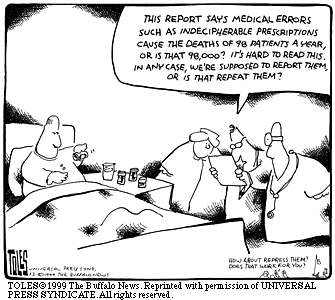
An Unwanted Journey: Day 0283 - Medical Mistakes


This might not have been the best week to learn about a fatal human error in administering fluorouracil to an Edmonton cancer patient. The woman's family has requested anonymity, but the incident occurred in The Cross Cancer Institute of Edmonton, Alberta.

There is a lot to be admired about cancer treatment in Alberta; unfortunately, this mistake by a nurse, who programmed an electronic pump to administer a 4-hour dosage of 5-FU that was intended to be given over 4 days, is likely to eclipse all good news in Alberta for quite a while.

The 43-year-old woman died in the University of Albera Hospital after her body's organs and systems failed. No antidote exists for such a massive overdose. To make the situation even more poignant, her oncologist believed that the woman's chances of winning her battle with cancer were about 75 percent before she was given the overdose (see the Edmonton Journal article).

Another patient with colon cancer is quoted in the article extolling the virtues of The Cross Cancer Institute. That patient has a pump that administers his 5-FU in a 46-hour period much like myself.

I, too, wouldn't hesitate to praise the staff at the Grand River Regional Cancer Centre. But I would also acknowledge that mistakes get made. I would add that it is in the patient's best interest not to depend on medical staff for ensuring that all procedures are being followed correctly, or that dosages are accurate, or even that mechanical issues aren't overlooked. My advice? Ask lots of questions. Document everything being done to you. Don't be afraid to look stupid. Get copies of as many medical records as you can and read them all.

I've seen and experienced medical mistakes and possible oversights including the following:

  • a doubling of anti-emetic steroids in "opus" and oral forms
  • an oversight in which my PICC line was closed when it should have been opened by a GRRCC nurse
  • inclusion of the anus in the field of radiation by one oncologist that was immediately excluded by the succeeding oncologist
  • failure to provide a transfusion after a bleeding ulcer until a subsequent hospitalization for pulmonary embolii
  • mistakes in prescriptions by a supportive care coordinator after complaints about side-effects of radiation therapy
  • incorrect insertion of a bladder catheter causing penile bleeding
  • regular lateness in administering drugs and pain killers while hospitalized

The point here is not to chastize medical staff in the hospital or the cancer centre. It is to instruct the patient based on my own experience of both wonderful medical care and medical oversights. Pay attention! If cancer doesn't kill you, medical treatment can!

An Unwanted Journey: Day 0283 - Rosenberg and Origer


I just love to read stories like this.

About 25 years ago, Dr. Steven Rosenberg met a patient who was able to defeat his cancer not with chemotherapy, radiation, or surgery, but through his own immune system. Somehow he was able to turn his immune system into an agent that found and then killed his cancer cells. For the past 25 years, Dr. Rosenberg has been conducting research hoping to find out how to do this for other cancer patients. It seems that now, despite his hesitation to trumpet his own research results, there is reason to believe he has found a mechanism to turn the immune system into what CNN calls "cancer smart bombs".

The approach is high-tech. Rosenberg and his colleagues have created a genetically engineered virus that finds and attaches itself to cancer cells (melanoma, lung, colon, breast). The virus is inserted into the patient's lymphocytes (white blood cells that fight infection) in a lab setting. Then the patients undergo chemotherapy to destroy almost all of their original immune cells (that's the part that worries me!). Then the genetically altered lymphocytes are reintroduced into the body, along with Interleukin 2 to strengthen the immune system so recently devastated with chemotherapy. Finally, the newly invigorated immune system with its genetically altered lymphocytes begin to seek and destroy the cancer cells specifically targeted in the genetic engineering. All of this high-tech information is reported in this week's journal of Science.

Obviously, Rosenberg's involvement in this story is critical and will continue to inspire cancer researchers as they develop the approach further. But what about the patients?

Mark Origer is one of the patients who benefitted from the clinical trials. His CNN story is available in video format (I recommend going to the above-mentioned smart bomb link and initializing the video from there). The short summary of his experience is that his recurrent melanoma threated his life and his hopes to walk his daughter down the aisle for her wedding. Origer participated in the trial and has been cancer-free for 18 months. The video clearly touches the emotional heart strings as he speaks about that special day at his daughter's wedding.

When I was diagnosed with cancer, one of the most distressing aspects was anticipating that I might not be alive to attend special family events such as weddings or the birth of grandchildren. Researchers like Rosenberg and patients like Origer give all of us cancer patients hope that we can be there for those special occasions.

Thursday, August 31, 2006

An Unwanted Journey: Day 0282 - Chillin'


Cancer has its blessings. One such blessing is the realization that territoriality is stupid. When we are healthy and immortal, we protect our turf. We get defensive and irritated when someone apparently has the nerve to offer us advice or, worse yet, threatens to invade our area of responsibility.

Today, my Community Care Access Centre nurse and I were speaking about lessons learned during cancer treatment. I mentioned how many things which would have raised the hairs on my neck a year ago, no longer have an impact. These days, it takes a concerted effort to insult me or to make me think that my territory has been invaded. That's a good thing, I think.

One of the virtues championed by Christianity is humility. But the chances of finding a Christian with true humility is next to nill. Still, whatever the chances of finding a humble person or of cultivating your own brand of humility, it seems to me that getting a diagnosis of cancer might just do the trick. Somehow knowing that your life is threatened by cells with a type A personality makes it easier to chill.

Wednesday, August 30, 2006

An Unwanted Journey: Day 0281 - Simply Music


Music is a gift. I don't mean listening to music, although many would agree that doing so is indeed a gift. I mean making music.

I am no great musician, but one of the casualties of my battle with cancer has been my playing fingerstyle guitar. Part of why I couldn't play was simply physical. I didn't have the energy or I couldn't stand the weight of the guitar across my shoulders or the pressure across my abdomen. Part was psychological. Playing the guitar or making music in general was part of leisure, something which seemed truly extravagant when dealing with life and death issues.

Tonight, I picked up the guitar again and picked a few tunes, mostly John Denver selections and transcriptions from Fingerstyle Guitar magazine. I am so rusty that it seems like someone else used to play the guitar, not me. But after a few minutes, I found myself at least recognizing the tunes and the body memory of my fingers beginning to acknowledge familiarity with the technique.

For me, it was beautiful. For others, I don't know. But the sound touched me deeply, despite whatever failures I have as a musician.

Making music may be therapeutic. It can also be incredibly frustrating, but usually that happens when I begin to imagine what other people would think of my playing, about what other musicians might do with the material, about what really good fingerstyle guitarists could do with the piece of music in front of me. When I forget thinking and simply make music, the exercise most definitely is therapeutic.

But that's not why I do it. I do it simply. I do it for itself. I do it because it begs doing. So, why haven't I been making music? Because sometimes I can be stupid and self-conscious. In the future, I will attempt to forget myself and let it happen.

Tuesday, August 29, 2006

An Unwanted Journey: Day 0280 - Pathology and Therapy


"Atoms don't get cancer; animals do." - Ken Wilber, Sex, Ecology, Spirituality: The Spirit of Evolution, p.103.

One of the truisms of evolution is that increasing complexity, especially biological complexity, means that more things can go wrong. We know this intuitively, although we rarely articulate it in terms of evolutionary development.

Postmodern humanity, for example, is fraught with neuroses and occasionally psychoses that would be rare, if not outright impossible, among our ancestors and primate cousins. That's the price we pay for living in an ever more complex sociocultural environment with its myriad symbols and concepts and opportunities for mental differentiation and dissociation. I mean, how many chimpanzees do you know who need cognitive therapy from Dr. Phil?

Cancer, as we all know, is a pathology. It's the result of biological processes gone haywire, of cells and organs which have fallen prey to unbridled growth and failure to differentiate along normal biological patterns. In my individual case, the cells of the sigmoid colon and rectum, instead of growing, dividing, and dying normally, somehow lost the normal constraints which harness growth. The cells of the gastrointestinal tract grew, but did not differentiate, according to normal patterns of the GI tract.

For each cancer, medical science tries to devise a variety of therapies, a way of dealing with things that have gone wrong. Therapy is intended to set things aright. With cancer, especially colorectal cancer, we have therapies like radiation, chemotherapy, and surgery, all of which seem blunt, almost brutal, in their implications. So it is no exaggeration to think of therapeutic measures in military terms.

Radiation blasts cancer cells to prevent growth. Chemotherapy interrupts cellular processes at the DNA level to prevent unbridled growth, although in doing so healthy, natural cells also get targeted - collateral damage, if you like. Surgery is perhaps the most obvious of all. Find the tumour and route it out. It's like ethnic cleansing.

Military images and concepts seem so appropriate for the state of the art in cancer therapy. We battle cancer.

It's because of evolutionary progress that cancer exists. And it is because of further evolutionary progress that therapies exist. Both pathology and therapy are part of the legacy of evolution. On this planet - 3rd rock from the sun - both are part of the price we pay for evolution.

Monday, August 28, 2006

An Unwanted Journey: Day 0279 - Chemo Crapola


A rollercoaster? You bet. Last week's good news and happy thoughts disappeared this weekend with the renewal of side effects from my 5th chemotherapy cycle.

All Saturday was spent either in bed or on the couch/recliner. The fatigue was such that I felt like I really wasn't part of the family at all, merely somebody taking up space. All the while I was thinking about how good it would be to be in Barrie with my brothers and sister celebrating my Dad's 75th birthday. But that would have been an unmitigated disaster for me.

Sunday was worse. Not just the fatigue, but the onset of painful and extremely frequent bowel movements which left me barely able to walk from the bed to the throne and back again. To say that chemo is a pain in the ass is an understatement!

Today, Monday morning, things are a little bit better. I can actually sit on the couch, connect remotely to the servers at work, read/write email, and do some planning and work on various tasks that an IT manager has to do regularly. This is where I truly appreciate the miracle of modern technology. I can reboot a server, check our off-site anti-spam email software service to relieve individual users of checking their uncertain spam messages (almost all of them are real spam and bulk messages), review printer problems, and otherwise pretend that I am on-site at work.

The CCAC nurse also came by this morning to change the dressing for my PICC line and to flush the line. I made sure she understood just how crappy (literally) my weekend was and commisserated with her about the uncertainties of chemotherapy. As I near the end of my treatment, the benefits of chemo seem distant while the side effects seem quite immediate and omnipresent.

But, by Christmas, this will be a vague memory. Even by November, when my colleagues and I go to Las Vegas for a user group meeting, I should be feeling reasonably good. My wife has made the point that I should not take gradually improving health as a license to get involved in any volunteer work. I should, she says, stick to work and my health until such time as I have secured a higher standard of fitness.

She's right, of course. This too shall pass (I really don't like that metaphor these days!).

Friday, August 25, 2006

An Unwanted Journey: Day 0276 - Happy Birthday, Dad!


I remember the occasion as if it were yesterday. We were invited to my brother's home to celebrate my father's 60th birthday. We were all there and having a good time when Dad invited some of us siblings to the front porch to tell us something.

"I have some bad news. I've got cancer. It's in the bladder and I will be beginning treatment soon."

We were all hit hard with the news. Dad's mother and father had both died of cancer, although nobody had yet been diagnosed with bladder cancer, or worse still, died of the disease. Dad's younger brother had also died of cancer at age 53. We were all afraid of any cancer diagnosis.

But Dad received his treatment, painful at times, no doubt. And he has gone in every year for consultations and tests to make sure there is no recurrence. And, thank God, there hasn't been any bad news in 15 years.

Today, my father celebrates his 75th birthday. I called him last night to talk about his success in the battle against bladder cancer. Since he doesn't need many material things these days, I decided to make a donation to the Childhood Cancer Fund on his behalf so that those whose family life is disrupted with a diagnosis of cancer for a child will receive a home kit that the whole family can use to discuss the treatment and understand what to expect.

Since Dad has had cancer and his eldest son has had cancer, it somehow seemed an appropriate birthday gift.

"Congratulations, Dad! We celebrate another birthday today with far better news than what we heard 15 years ago. I hope someday to hear my sons congratulating me on reaching my 75th birthday...only 22 years away now. "

Thursday, August 24, 2006

An Unwanted Journey: Day 0275 - Muskoka Traditions


Every year, for the past 11 years, we have gone to a cottage on an island in Lake Muskoka to visit with my sister- and brother-in-law, the godparents of our two teenage boys. This year, I didn't think we would be able to keep the tradition alive simply because of the treatments I am receiving for colorectal cancer. But events and situations conspired to make it all possible. My only job was to drive the family to the cottage and back again to our home. As it turns out, that is something that is one of the most comfortable things I can do these days.

The weekend was fabulous. Our relatives are marvellous hosts and wonderful godparents to our children. This year's highlight (every year seems to have at least one standout memory) was watching my youngest son learn to water ski. It was also a lot of fun for me to listen to the family play euchre while I tried to get some rest (the only downside to the weekend was the sleepless nights and frequent bowel movements, probably a side-effect of the antibiotics I was on for the low-grade infection I suffered when my blood counts were so low). Listening to the laughter and grand standing, posturing, and nonsense was exactly what I needed.

And then there was the food and drink. My nurses at CCAC gave me the go-ahead to break my fast on beer, wine and maybe a mixed drink or two over the weekend. Apart from one beer that I had a couple of weeks prior, I have not imbibed at all since the beginning of the year, so it was a real treat to have some beer, wine and a couple rum and coke. Not to mention blue-berry pancakes, bacon, wonderful salads, selections from the Picard peanut gift pack we brought along, jelly beans, and so on. Oh yeah, my brother-in-law's BBQ treasures were fantastic too!

Probably the best healing aspect of the weekend, though, was having a chance to participate and listen in on conversations that would otherwise be unlikely. Phone calls just don't allow the time required or provide the relaxed atmosphere for talking at leisure about what's happening in our lives. The give and take of long conversations with people who truly make a difference in your life is a gift beyond measure.

Wednesday, August 23, 2006

An Unwanted Journey: Day 0274 - Chemo and Blood Counts


I'm sitting in the chemo suite at the Grand River Regional Cancer Centre having had my blood drawn already and waiting to see if my blood counts are acceptable for my 5th chemo treatment.

This waiting period (sometimes referred to as a chemo holiday) is a good news / bad news scenario. The good news is that I'm not experiencing side effects directly related to chemotherapy. The bad news is that I've been very susceptible to infection and I have had to take 10 days of antibiotic treatment for a fever from a generalized infection which the doctors were unable to locate.

As I write, the nurse has just come by with the blood counts from this morning's blood draw. The results were fantastic! I can't believe how quickly the improvement occurred. In just 2 weeks of delay for me to recuperate, my absolute neutrophil count jumped from .9 to 6.3, the highest it's been all year! Similarly for white blood counts and platelet counts. Even hemoglobin counts are up somewhat.

So on we go with treatment number five.

Maybe I'm a sucker for statistics, but the counts relayed to me this morning have made my day. I haven't felt much better, but I guess that's just another indication of how critical these scientific measures are in the treatment protocol. Over the past couple weeks, I've had very disruptive sleep patterns, far too frequent bowel movements, and substantial fatigue. But however I might have felt physically, it's clear that the delay did wonders for my recuperative powers. Probably the antibiotics had some effect as well.

In any case, I feel ready to tackle chemotherapy again and get this phase over with.

I've figured out how to make these long sessions easier to endure as well. I've tried watching DVD movies, listening to my iPod, using my Pocket PC, and chatting with the volunteers. Suffice to say that 5-7 hours in the chemo suite requires multiple tactics. Today, I am working with my notebook computer while waiting and getting my infusions. This means I can respond to email from my place of employment, check backups and configurations on the servers, process and organize my calendar and task lists, plan departmental strategies - generally get things done that would be difficult, if not impossible, while onsite at work where I am far too available for IT-related interruptions!

So, it appears that today is a very good day. As one of the volunteers, herself a lung cancer survivor, and I commisserated, any day above ground is a good day.

Let's raise a glass to health!

Thursday, August 17, 2006

An Unwanted Journey: Day 0268 - Cancer Currency


I drive a Toyota Camry, and of course that means that I notice almost every Camry that I see on streets and highways. I am battling rectal cancer, and of course that means that I notice almost every news story with a cancer connection, no matter how tenuous.

This week was no exception. Toronto is hosting the biennial AIDS conference with about 24,000 people attending. Apart from big-name celebrities like Bill Clinton, Bill Gates, Steven Lewis, and Richard Gere dominating the conference coverage, there has been surprisingly little news broadcast about new discoveries. One aspect of the fight against AIDS/HIV that was unknown to me was the estimated casualties world wide - 11,000 are estimated to die daily from AIDS/HIV.

All this attention to AIDS has left me wondering about the battle against cancer. Worldwide annual cancer deaths are estimated to be 7 million, which means over 19,000 cancer-related deaths daily. I am unaware of any cancer-related conferences on the scale of the AIDS conference in Toronto, but I suppose the lack of one huge conference is compensated by the number of cancer conferences. There are, for example, two conferences related to gastrointestinal and colorectal cancers in the next three months alone (Current Trends in GI Malignancies and 5th International Colorectal Cancer Congress).

From the macro to the micro. One news item surfacing Wednesday was the arrest of a suspect in the tabloid-sensationalized JonBenet Ramsey murder of 1996. Less than an hour ago, there were further revelations indicating that the murder was in fact a suicide. What touched me, though, was the realization that JonBenet's mother, Patsy, died of recurrent ovarian cancer on June 24th of this year. Obviously, recurrent cancer is a fear of mine as well. But that is not why the story intrigues me.

Much as I fear cancer, there are situations far worse, one of which is the death of one's child. My own parents have experienced such a tragedy not once but twice. I cannot imagine how I would deal with the death of one of my children, but I know that it would eclipse, by far, anything I have undergone in battling cancer.

Linking current events and cancer is just another aspect of my worldview these days. I don't necessarily recommend it to anyone. But, as my sister-in-law would say, "that's just the way it is."

Monday, August 14, 2006

An Unwanted Journey: Day 0265 - KD Paine's Manifesto


One of the cancer survivors whose blog I regularly read is K. D. Paine. In July, I mentioned how I was introduced (virtually) to Katie Paine by Shel Israel, co-author of Naked Conversations. Today, her entry is The Paine Manifesto.

She has listed 18 assertions about how to survive cancer and I concur with everything she says, although I was not fortunate enough to know the two women whose lives inspired Katie to compose her manifesto.

I wonder, though, if Katie would mind if I took the work she has already done, acknowledged the original inspiration, and yet offered some advice on redacting the manifesto? My goal is to make the advice more generic and perhaps easier to summarize.

Here's my first attempt:

  1. Stay alive. Do whatever you need to do to keep breathing. Nothing else matters.
  2. Maintain your friendships. After ensuring you are alive, caring for others is your highest priority. Doing so will extend your life expectancy by over 10 years.
  3. Be true to your own values. Caring for others doesn't mean surrendering your deepest values. In fact, true friends know what matters most to you and, even if they don't always agree with you, appreciate those values. Don't ever try to be everything to everybody. Choose wisely!
  4. Be productive. Although battling cancer can sometimes drain you of physical and emotional energy, claim the good days and make a difference by doing what you do best.
  5. Be receptive. Sometimes you simply can't do what you would like to do. That's OK. Let others serve you. That's part of the reciprocity of life. In fact, if you want to feel closer to someone, don't do something for them, ask them to do something for you. It works!
  6. Apply the "cancer card". If you don't want to do something because you are sick with cancer or the side effects of treatment, then maybe you shouldn't bother with it when you are well. The "cancer card" is a useful litmus test for everybody.
  7. Find your model. Each of us knows someone whose life and death is a model. Find the one or two who matter most and whose life and/or death most resonate with you. Then live your life and die your death the same way.
  8. Be clear. It's worth the effort to articulate your priorities and values and to communicate them clearly. In sickness and in health, clarity matters.
  9. Be tolerant. People will say and do stupid things. Discern their intent and accept that people make mistakes. But don't tolerate inaction. If someone doesn't show up at all, they probably don't really care.
  10. Things happen for a reason. Whether you understand the reason doesn't matter nearly as much as accepting what has happened in your life and believing that meaning can be derived from it all. Each of us has the choice to invest meaning into everything that happens to us. Again, choose wisely!

Katie, I hope this doesn't feel like a complete rewrite. My intent is to leverage what you have already done and make it my own. Bon chance!

Sunday, August 13, 2006

An Unwanted Journey: Day 0264 - Silly Socks


"Treasure your friends; cherish each day; be useful."
I just finished my weekend marathon of watching the extended edition of The Lord of the Rings. It's a truism to say that the movie (and the book, of course) reinforces the importance of friendship, of the beauty of ordinary life (the Shire), and of being personally productive.
Yet this week's experiences have reinforced for me, quite apart from movie themes, just how significant to our health is that trinity.

My productivity at work was threatened this week as I experienced a variety of unexpected side effects and trouble with my chemotherapy. Dwelling on those issues and problems instead of participating in the exercises of the gratitude project threatened my mental health. But my friends...well, they reminded me why they are a treasure beyond measure.

These friends want to do something to help - some want to visit, some want to drive me to the hospital, some want to simply telephone and tell me they care about my well being, and some don't know what to do.

Here's an idea. Buy me a pair of silly socks. Each time I wear them, I swear that I will be happier, remember the sanctity of each day, and be as productive as I can possibly be. And, isn't it obvious, I'll be thinking of you all day long.

Note: As I prepared in the spring for surgery, one of my books on cancer recommended buying and wearing silly socks and brazen briefs for the enjoyment of the nurses. So we bought a few and I've been wearing them ever since (especially the briefs). They remind me not to take myself too seriously.
Powered By Qumana

Saturday, August 12, 2006

An Unwanted Journey: Day 0263 - Avelox


The fever didn't last. By Friday morning, my body temperature was normal again, even though I had taken no drugs.

The Community Care Access Centre nurse (from Care Partners) came to change my PICC line dressing as well on Friday morning. I had seen her last on Tuesday, so there was a lot of news to tell her. As she changed the dressing and I turned my head in the other direction (standard procedure with patients who don't want to wear a face mask during the dressing change), she went about her business of tearing out remaining hairs on my forearm and examining the PICC site insertion point.

The inflammation was greatly reduced and the site itself was dry. So it appears that the decision to change dressings was a good one. The nurse even brought along another tape which should be gentler on my skin, even though I bet it still tears out arm hair!

The nurse commented that what I was experiencing with a low absolute neutrophil count, delayed chemotherapy treatment, and blockage of the PICC line were all quite common. That makes me feel so much better. No only am I a "text book" case, it appears I'm a commoner as well! My pride is taking a hit these days.

I had planned on picking up my antibiotic prescription early in the morning so that I could get started on the ten days of Avelox tablets prescribed by the emergency ward attending physician. But when I got them I discovered from the pharmacist and from reading the information sheets the pharmacy now routinely provides with any drug new to a patient, that this kind of medication has a lot of interactions with other medications, including iron pills and multimineral/multivitamin pills, something I routinely take now as part of my treatment regimen.

I discovered that I had to take my avelox tablet either 4 hours before my iron and multivitamin pills or 8 hours after. So, I take one-a-day now at 3:00 pm.

I had been feeling so much better Friday with a normal temperature. But once I took the antibiotic, I started feeling under the weather again. In fact, this afternoon (Saturday), the effect is even more dramatic. I feel dizzy and weak, much more so than before taking the tablet.

And so it goes. The side effects of the medication are certainly manageable, especially in light of what the risks are in getting a bacterial infection. But the bottom line is that I still feel funky...yes, I know that's a very technical medical term! If the side effects get any worse, I'll have to plan ahead to ensure I am at home and don't have to drive anywhere immediately afterwards.

From what I've read online, it would appear that I am getting a treatment designed for patients with community-acquired pneumonia (CAP). Ten days is one of the longer treatment periods for this quinalone type antibiotic. The dose is 400 mg per tablet.
Powered By Qumana

Friday, August 11, 2006

An Unwanted Journey: Day 0262 - Hot, Hot, Hot


The instructions from the Grand River Regional Cancer Centre are very clear. Patients are to monitor their body temperature at least twice a day. If your temperature reaches 101 degrees, then go immediately to the emergency department of the hospital, tell them you are being treated at the cancer centre, and expect further blood tests and possibly antibiotics.

I have watched my body temperature increase incrementally over the past three days. Last night it hit 101 degrees about 7:00 pm. I waited 5 minutes and took another temperature reading...again 101 degrees. So we packed up and went to the Grand River Hospital's emergency ward.

The waiting room was packed. Even the triage area was packed with people waiting for treatment. But after about 15 minutes, we were taken by a triage nurse and processed. She took my temperature again and it had risen to 101.5 degrees. They registered me immediately and put me in a room to have blood samples taken and to rest until a doctor could see me.

I had to provide a urine sample, then a member of the blood collection team took samples, not from the PICC line but peripherally, meaning directly from a vein in the right arm. Then the emergency ward nurse took more blood samples using the PICC line in order to prepare cultures to study how my blood reacts to various bacteria.

At that point it was on to get chest X-rays again, even though I had already had chest X-rays on Tuesday. I guess this was to make sure my lungs were clear.

Then back again to the emergency room assigned to me to wait for a doctor. Both the nurse and the doctor checked my lungs with stethescopes, but there was nothing noticeably wrong.

After about 3 hours, I was discharged with a prescription for oral antibiotics to be taken for the next 10 days, one each day. If I still have a temperature of 101 degrees or higher after 48 hours, then I should return to the emergency ward.

In the meantime, the blood test results (which didn't show anything unexpected, according to the emergency room doctor) would be forwarded to my medical oncologist who would call me in a day or two to review the blood culture results and possibly prescribe antibiotic or other medications.

For someone who didn't want to visit the hospital for treatment again for a very long time, I have to admit that the visit to the emergency ward was reasonably quick and painless. It was quiet, unlike other times I have been admitted. Being a chemotherapy patient expedites matters, to be sure.

In any case, the high body temperature and possible infection just highlights how careful I will have to be over the next couple of months while still taking chemotherapy (and probably for a couple of months beyond that as well while my blood counts gradually improve).

One other interesting thing occurred while in the triage area. A woman and her husband sat down next to us and she said, "I read your blog everyday." It took a moment for me to realize my photo was on the site and to realize as well that her husband had a PICC line and sleeve on his arm almost identical to mine. She then informed me that her husband has the same form of cancer as I do and was coming to the emergency ward for a fever as well. I was pleased to think that my blog helps other people in my own community, especially people that I would not otherwise meet.
Powered By Qumana

Wednesday, August 09, 2006

An Unwanted Journey: Day 0260 - Neutrophils, Blockages, and Delays


Yesterday I visited the cancer centre to get a simple blood sample, have it analyzed, and then meet with the medical oncologist, fully anticipating that today I would be getting my fifth chemotherapy treatment. Unfortunately, that's not how it turned out.

The cancer centre nurse was unable to draw blood from the PICC line, even after several attempts. That meant I had to be scheduled for chest X-rays to ensure the PICC line was not looped somehow in my body. In the meantime, we took blood the old-fashioned way.

While waiting for the X-rays to be scheduled, I met with the oncologist who noted that my blood counts were lower than she would like, although not all the counts would be in until later in the day. She commented on how good I looked and how well I seemed to be doing in general.
The chest X-rays showed no problem with the PICC line itself. This was good news. I really didn't like the idea of having the existing line removed and another put it. So that left a blockage of some kind.

Settling back into the recliner, I waited while the PICC line nurse injected an alteplase solution into the line and left it for 30 minutes. We tried again without success. Then she tried a stronger dose of the same drug. We waited almost 150 minutes after which we were finally able to draw blood. She then changed the dressing. I was pleased to see that the irritation around the PICC line insertion point was less angry even though it seemed to me that the area of irritation was larger than before and that there were more pin-prick marks. Nonetheless, I was pleased to finally get out of the centre and go home.

Late in the afternoon, my supportive care coordinator called and left a message with my wife that my neutrophil count was far too low to go ahead today with my chemotherapy. They want to delay my fifth treatment until next week.

Neutrophils are a special kind of white blood cell that targets inflammation. They constitute as much as 70% of all white blood cells and only live for a few days. I have watched the trend downward for my neutrophil count over the entire year. What this means is that no matter how good I might look, appearances are deceptive. My body is highly susceptible right now to infection.

In addition, I have noticed a general increase in fatigue, even during my good days. Today, for instance, I had to sleep several times and still feel very tired.

So, while we are getting closer to the end of chemotherapy, there are still hurdles to get over. I am disappointed in what happened this week, but I can adapt. I can work from home most days, if necessary, and get rest whenever I require it. By December, most of these delays and problems will be a dim memory.
Powered By Qumana

Monday, August 07, 2006

An Unwanted Journey: Day 0258 - Cancer as Metaphor


There's cancer and then there's cancer.

"'F*****g Jews... The Jews are responsible for all the wars in the world.' Gibson then asked the deputy? 'Are you a Jew?'" [from TMZ, 28th July]

I understand that alcoholism is a disease. I appreciate that those with the disease may demonstrate characteristics completely out of sync with their day-to-day personality. But I also believe that both the behaviour of alcoholics and what they say when under the influence come from within. They are not imposed upon them. Individuals are responsible for how they behave and for what they say, whether they've been drinking or not.

Anti-semitism is a cancer every bit as dangerous and harmful as the invasive adenocarcinoma that has affected my life. If only we knew how to treat anti-semitism like we treat biological cancer with radiation, chemotherapy, and surgery.

Instead, we tend to cover up, forgive and forget, make excuses, blame the drinking. But what Mel Gibson said and the way he behaved in Los Angeles on the night of July 28th should not be forgotten. What he said is indicative of a tumour of the soul. Untreated, it will grow and metastasize. Unrecognized and denied, it will eventually destroy.
Powered By Qumana

Wednesday, August 02, 2006

An Unwanted Journey: Day 0253 - Infection


The CCAC nurse came to my home today to change the dressing for the PICC line. Because the redness and swelling at the insertion point had not diminished, but had actually intensified in redness and seemed slightly more elevated, we decided to call the cancer centre and have the infection examined. I was able to get an appointment right away, but had to wait about 90 minutes before the nurses in the chemo suite began their treatment.

The treatment consisted of changing the dressing for the second time, swabbing the area with a variety of liquids whose names I can't now remember, and applying a gauze dressing instead of the tape dressing. What this means for me is that we have to change the dressing every three days instead of seven days. It also means that I can no longer see the insertion point or the condition of the infection. Suits me.

Today after we examined the site at home, I started feeling queazy and fatigued. I suspect some of that was simply worry about what might happen, the worst of which seemed to be removal and replacement of the PICC line. Thank goodness that's not going to happen.
The most likely explanation is that I have developed a sensitivity to the chorhexidine used to clean the area around the insertion point.

I guess this is no big deal, especially in comparison to what others are going through or even in comparison to the side-effects of chemotherapy that I'm experiencing. But it has defined my day to some extent. Cancer treatment certainly is full of surprises and things to occupy the mind. But I'd much rather be doing other things, almost anything else.
Powered By Qumana

Tuesday, August 01, 2006

An Unwanted Journey: Day 0252 - Comparisons


Even though last week was what I called "a banner week", Saturday, Sunday, and Monday were not. Those are the days, every two weeks, when I can count on side-effects from chemotherapy laying me low. Yesterday (Monday) was a bit of a surprise, though. I felt like I'd been in a train wreck. Bowel movements were frequent and painful, with little time in between to catch my breath and rest.

This morning is better, but we're in the midst of a scorching heat wave in southwestern Ontario. I'm in an air-conditioned environment, so I have a great deal to be thankful for, but others working outside are not so fortunate. With the air conditioning, I am able to both telecommute to work and go on-site for awhile without jeopardizing my health further.
Others are less fortunate.

I've mentioned Leroy Sievers before. Unfortunately, this morning's blog entry, Bad News and Difficult Decisions, recounts his setback from ineffective chemotherapy drugs. Unlike me, Leroy is worse off now than when he started chemo in January. Doctors recommended an eight-week holiday from chemo, but that holiday only allowed the tumours in his lungs to grow larger than what they were when he originally started therapy. In addition, the cancer has now invaded his spine.

Leroy doesn't know what to do, and he's absolutely right in observing that probably no one else knows what to recommend. I know the feeling of receiving bad news. I can empathize with him that no matter how prepared you might think you are, you are never ready to hear news like that.

So, by comparison, the world is my oyster today. My bottom hurts, I have four more treatments and their accompanying side effects to endure, I'm feeling weak and tired...but I have not received any bad news for a long time now, not since I was hospitalized for pulmonary embolii.

Leroy, my thoughts and hopes are with you as you make these difficult decisions about whether to continue with chemotherapy and, if so, which drugs to have administered. Peace be with you.
Powered By Qumana

Sunday, July 30, 2006

An Unwanted Journey: Day 0250 - Half Way Through Chemotherapy


This was a banner week. I am half-way through my chemotherapy with only four more treatments left. In addition, I was able to successfully complete a full week of work with my employer for the first time since before surgery at the end of March.

These are milestones along my road to recovery that mean a lot to me. With the end in sight for chemo treatments, I have a sense of optimism about getting better not just for a few days between treatments, as is the case now, but in a continual improvement over the course of the months leading up to Christmas.

I was even able to get to the gym for a light cardio workout on the treadmill, again something that has not been possible since before surgery. It's hard to describe just how great a sense of accomplishment that was, even though I was very careful to monitor my pulse rate and ensure that I was not overdoing the exertion level. I still won't be able to do any weight training until after the PICC line is removed, but it feels great to even be thinking about improving my fitness level.

Work was a struggle this week, but well worth the effort. Colleagues seemed pleased to see me and to start itemizing all the IT-related tasks they would like me to address. There were times in my office when the fatigue was pronounced, but I managed to slog through those moments and complete full days.

My invitation to others, friends and colleagues, to participate in the World Community Grid projects, especially the one to Help Defeat Cancer, was also a step towards health. In fact, as I get better, it seems natural to start thinking more about others and about making a difference in the overall fight against cancer. There are so many things that can be done; the trick will be finding those opportunities that match my abilities and aptitudes. The World Community Grid project is, I think, a perfect match for the moment.

Please join me in this. It doesn't cost anything and has great potential.

If you know of any other projects that a recovering cancer fighter should consider, please feel free to comment or to write to me personally. I want many, many more banner weeks.

Powered By Qumana

Sunday, July 23, 2006

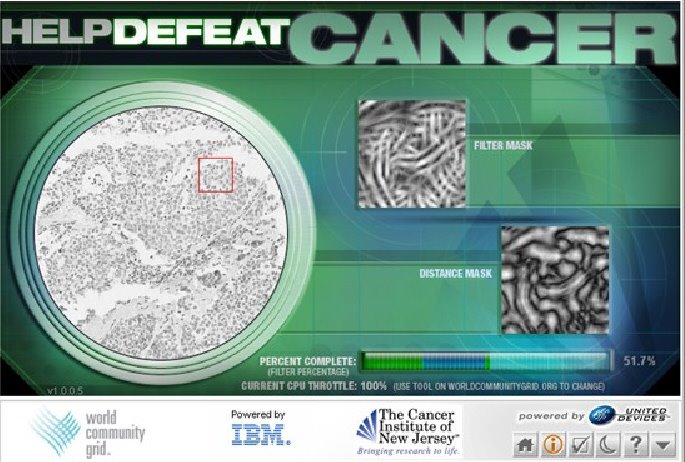
An Unwanted Journey: Day 0243 - Help Defeat Cancer


Does your desktop computer or notebook ever sit idle? If so, then you are a prime candidate to donate unused computer time to a project called Help Defeat Cancer which began July 20th, 2006. All you have to do is visit www.worldcommunitygrid.org and become a member.

Before I discuss why you absolutely must do this, please rest assured that doing so will not make your computer less secure nor interfere with your regular computing. There is also no cost involved other than the time you take to become a member of IBM's World Community Grid. Nor should you worry about operating systems - Windows, Linux and Mac are all supported.

Once you have downloaded and installed the software agent, you will get a message on the Grid Agent window which should warm your heart (I strongly recommend you complete the member profile when you set up your membership; consider joining me in the Cancer Fighters team which is the largest; this team has, at the time of writing, contributed over 26 years of idle computing time to the grid projects):

Your machine is systematically sifting through the multi-dimensional features of imaged cancer specimens to unveil the underlying protein and molecular patterns of breast, head and neck cancers.

No, the project doesn't deal specifically with colorectal cancer at this point. Still, the idea that the grid can instantly become as powerful or more powerful than the world's most sophisticated supercomputer and that it can be used to combat one of the world's most devastating scourges has to make you feel good!

So why bother?

The World Health Organization estimates that 7 million deaths each year are caused by cancer, 12.5% of all deaths worldwide. We are all aware of the major classes of cancer such as lung, breast, colorectal, etc. What this project does is deal with subclasses of cancer, the identification of which is sometimes key to treatment protocols. One of the newer investigative tools used by scientists is tissue microarrays (TMA) that promise to help oncologists select proper treatment strategies and provide patients with a more accurate prognosis.

Using computer-aided analysis, it has been shown that TMAs are more objective, reproducible, and sensitive. With improvements in TMAs, new drugs can be developed and therapy planning can be enhanced.

The World Community Grid promises dramatic improvements in analyzing Tissue Microarrays. IBM's grid can process TMAs far faster and in greater quantities than possible with traditional computer resources. Hundreds of arrays can be processed in parallel instead of one at a time or in small batches.

So, please, join me to Help Defeat Cancer. Feel free to email me about your decision.
Powered By Qumana

Tuesday, July 18, 2006

An Unwanted Journey: Day 0238 - Waiting for Good Days


I know, I know. Even when I was in hospital suffering from complications, I somehow found time to compose blog entries about my experiences, research, and reflections on my battle with cancer. Now, I'm just undergoing chemotherapy, trying to work part-time (telecommuting mostly), and fighting my way back into a semblance of a normal life. And yet I can't seem to find the energy to compose a blog entry. Has my life become so predictable and boring?

Not really. But fatigue is a very strange creature. It sits on your chest with a sardonic smile making snide comments about how you're now half the man you used to be. You can try to push it out of the way or even argue, but the fact remains that fatigue will have an impact. And it does.

As I go through this third treatment cycle, I'm beginning to feel a bit better again. There were some complications on the day of infusion, beginning with a doubling up of the anti-nausea medication. Thankfully, I had a very observant chemotherapy suite nurse who noticed that my oral medication and my "opus" medication were actually giving me 22 mg of the steroid when I only should have received 16 mg. She said, "You'll probably be quite hungry and full of energy this evening. You may have a hard time sleeping tonight." As it turned out, I slept immediately for about 2.5 hours and then stayed awake until early in the morning.

In addition, as I began to get ready to leave the chemotherapy suite, I noticed the telltale tingling in my right hand. By the time I reached the car, both hands were tingling, so much so that I had to "palm" the steering wheel to have any chance of driving myself home. But the sensitivity was so acute that I could barely open the car door and use my keys to get into the house.

A couple days later that same chemotherapy suite nurse called to say that because I was suffering neuropathy symptoms immediately after treatment, they would double up the magnesium/calcium infusion for my 4th treatment cycle.

And so it goes. This time, there was some nausea and general fatigue Saturday, Sunday, and Monday. There was intermittment neuropathy and sensitivity to cold foods as well as frequent bowel movements, so much so, in fact, that I felt like I was either in bed or on the toilet all three days.

But now it's a bit better. Even more importantly, I know that it will probably get better now for another 7 days.

Compared to so many others going through chemotherapy, my struggles are minor annoyances. It's just that it seems like a long, long time since we began treatment in January. But, if I look forward, I've only got to hold on until the beginning of October. By then, I should be able to anticipate days, weeks, and months of feeling better than I have all year. I can hardly wait!
Powered By Qumana

Tuesday, July 11, 2006

An Unwanted Journey: Day 0231 - Walking for Survival


Today I came across articles in the Journal of Clinical Oncology about post-diagnosis activity and the prevention of recurrence of colorectal cancer. It appears that increased activity levels - say, walking a mile six times a week- result in a very substantial increase in the prevention of colorectal cancer recurrence.
One of the key concepts in the articles was the metabolic equivalent task (MET). Using that standard for measurement, the studies indicate that protective effects occur with as little as 9+ MET-hours per week, with increasing protective effect up to 27+ MET-hours per week, after which protective effect plateaus with physical activity. 9+ MET-hours is the equivalent of 4 or 5 weekly 30-minute sessions of brisk walking.

The good news for cancer patients is that the exercise regimen is all post-diagnosis and post-treatment and is independent of physical activity levels and fitness levels prior to or during treatment. Overall reduction in risk for recurrence was approximately 50% to 60%.

The data is still observational in nature and many questions remain. Still, the correlations are significant and support the intuitive belief that reasonable exercise levels could prevent progression or recurrence of cancer.
Powered By Qumana

Monday, July 10, 2006

An Unwanted Journey: Day 0230 - Commencing Chemo Cycle 3


I enjoy the last few days of a chemotherapy cycle - most side effects are either minimal or gone.

This weekend, for instance, my family and I were able to drive north to a family reunion. That's over 2 hours driving either way, plus the reunion itself - add another 5 hours. But I made it with only a 20-minute nap at the home of our host. More importantly, I was able to drink the refreshingly cold drinks, eat most of the food offered, and otherwise enjoy the event as if I wasn't being treated for cancer.

This week, the cycle begins again. Today, it's blood work and another consultation with a medical oncologist to see how I'm doing and what the blood tests report about my overall health.

I've found that most medical oncologists don't automatically provide details about the blood work. You have to ask specifically and assertively for each measure. Even then, the doctors appear curious that a patient would have an interest in things like white blood count, hemoglobin, platelets, absolute neutraphil count, and neutraphils. True, I might be in a minority, but I'll bet there are a lot of people being treated who would find the overall trends of those measures of at least passing interest.

In my own case, the blood counts tell a story which is sometimes at odd with my overall sense of well being. If I look at the trends from January 9th (when my combination chemoradiation therapy began) to today, the story is very clear. I am far less robust and far more vulnerable to infection than when I began.

This was brought home to me in the last chemotherapy session when I was able to compare my counts with a person in a nearby recliner receiving her first treatment. Even though she was a good 20 years my senior, her white blood cell count, hemoglobin, etc was far better than my own.

I realize that the medical oncologist will declare a treatment holiday if my counts get too low. Since I haven't had any holiday, they must all be high enough. Still, those low values are something of which I must remain conscious, especially when I want to be with crowds celebrating something like, oh, say, the World Cup win by Italy. Now that kind of decision would be foolhardy.

****

I've just returned from my consultation with yet another medical oncologist. My counts are all better this week! In fact, I'm doing so well that the oncologist doesn't think I need to see her again for another month.

On the other hand, as I described the neuropathy (tingling in the finger tips and sensitivity to cold) and fatigue I experienced after the last treatment, she indicated that I'm a textbook case. What's worse is that these two side effects are cumulative throughout the entire chemotherapy treatment cycle. The neuropathy is even worse. It tends to hang on for weeks, sometimes months, after treatment is finished.

She also indicated that as the fatigue and neuropathy accumulate, we may need to reduce dosages. For this we just wait and see. In the meantime, I should just continue doing what I'm doing, making sure that I have at least 2 or 3 days after each treatment cycle to do nothing except sleep, nap, and take it easy. I think I can do that!
Powered By Qumana

Friday, July 07, 2006

An Unwanted Journey: Day 0227 - Treatment Photos

Below are a few photographs of stages of my cancer treatment. There are three stages - radiation, surgery, and chemotherapy. If you would like to see a few comments on each photograph, then simply click on the photo and you will be taken to Flickr, the host for this set of photographs. Each photograph has a title which indicates the date and subject, as well as a comment describing the context for the picture.

20060209Don_GRRCCRadiationDay


20060209DonRadiationGown

20060214DonRadiation01

20060214DonRadiation02

20060216DonRadiationTechs

20060916RadiationGraduation

20060217LashaCCACDon01

20060429DonGRH

20060505DonLeavingGRH

Thursday, July 06, 2006

An Unwanted Journey: Day 0226 - Leroy's Courage


"It takes courage to get through life. The courage of doctors and nurses who can work magic with their hands, the courage of those keeping a lonely vigil at the bedside of a loved one. The courage of the ill, fighting with everything they have, not just to cheat death, but to live."

- Leroy Sievers, My Cancer, Commentary: Funny the Things You Think About (February 16, 2006)

I've started subscribing to RSS feeds from my fellow travelers. The quotation above is from the very first entry I collected in my Newsgator for Outlook newly created folder, Cancer Blogs. If this commentary from Leroy is an indication of what I've been missing by avoiding blogs from other cancer fighters, then I can hardly wait to see what's in store.

Leroy talks about courage, about fighting, about cancer touching each and every one of us whether or not we have been diagnosed with cancer, about bearing the burdens thrust upon us by life, and how we are only given what we can truly bear.

Even more importantly, Leroy reminds us that the courage we discover inside ourselves as we deal with our own diagnosis must never eclipse the recognition of the courage of others affected by our personal battle.

This, too, is probably one of my blinds spots. Consumed by my own pain, weakness, insecurity, uncertainty and doubt, it has been all too easy to forget what this diagnosis has done to so many others who care for me. My wife, my sons, my mother and father, my brothers and sister, my aunts and uncles, my friends, and even my acquaintances - my diagnosis has required that they too face their own mortality. It has required that they reconsider life's priorities - either that or collapse into ignorance and neglect. It has required that they think, at least once in a while, about loss and fear, about guilt and blame, and the frailty of the human condition.

Then there are the doctors, nurses, hospital workers, patients and all others involved in the health care system. They have had to muster courage when dealing with me. One nurse especially comes to mind. I'll never forget her kindness and calm demeanour when I panicked in the hospital the day when I "bled out" while on blood thinners. Never having experienced anything like that before, I was almost out of control in fear. She helped me clean up, get back to bed, calm down and realize that what I had just experienced was something they could handle and that even I could face with more courage than I had thus far demonstrated.

So, Leroy, thank you for reminding me about courage - my own and that of those who care for me.

And finally, farewell to Hilde, who, after 10 years of facing cancer down with a courage I can only hope to emulate, said a final goodbye to her family and friends last Thursday.

Powered By Qumana

Wednesday, July 05, 2006

An Unwanted Journey: Day 0225 - Fellow Travellers


One resource I haven't availed myself of yet is other cancer patient blogs. As I near the end of my treatment, I hope to change this, to become less concerned with my own journey and more aware of how I share a path with many others.

Thus far, I have focused on how cancer has threatened me personally, how it has dealt me a body blow (literally), and yet coincidentally opened up vistas of meaning and hope that I never would have anticipated. While it is true that blogging about my battle with cancer has given me the chance to communicate with many people with whom I never otherwise would have had extensive conversations, I have been negligent in returning the favour. Gradually, I will remedy that.

Here are just a few fellow travellers with much wisdom to share:

Chronicles of a Cancer Survivor: David J. Hahn, pianist and cancer blogger. David, I wish I could join you on those bicycle journeys. But rectal cancer means bicycling is just about the most uncomfortable of exercise options available to me. Keep goin' rookie.

My Private Casbah: Bint Alshamsa, a gifted writer, biology student, and survivor extraordinaire. Not all her entries relate to cancer, but those that do are well worth the effort of finding and consuming.

My Cancer: Leroy Sievers, a commentator with NPR and podcaster with many awards to his credit, including 12 Emmys.

truesurvivor: Katie Paine, a serial entrepreneur, someone Shel Israel mentioned to me (Shel is a co-author of Naked Conversations). Katie, thanks for visiting An Unwanted Journey. I hope to order Sweet Scoops yogurt as soon as possible. Chemotherapy has left me unable to eat ice cream, so I'm hoping your recommendation fills the gap nicely.

And finally, from the treatment side,

The Cheerful Oncologist: Craig Hildreth, M.D., medical oncologist and someone who knows that Sibelius rocks.

Visit these folks, share a comment with them, and be enriched.

Speaking of being enriched, I can't emphasize enough just how much blogging has enriched my own life. It has also allowed me to peek in on others. My niece is a perfect example. Her blog has opened her life to her family and friends. She shares random and not-so-random thoughts about parenting, about the joys of reading, the world of writing and the visual arts, and she's not a bad photographer too! Check her out at http://www.edeva.ca.
Powered By Qumana

Tuesday, July 04, 2006

An Unwanted Journey: Day 0223 - Frequent Fatigue


Fatigue has been the side-effect of note since my second chemotherapy treatment last Wednesday. No serious nausea, just naps, lots and lots of naps. Oh, yeah. And the sensitivity to cold, tingling sensations in the fingertips, constriction of the mouth and throat when exposed to cold food - all that too.

I'm not really complaining - OK, just a bit. It's better than vomiting, to be sure. But last time, after the first chemotherapy treatment, I had one day of slight nausea on the Saturday. This time, it's Tuesday morning, and I've been sleeping since Saturday...on and off, to be sure, but the naps are so frequent as to become a source of some good-natured teasing at home. "Where's Dad?" "Check the recliner...check the bedroom."

I also miss my ice cream. Yesterday, it was hot and humid. For the first time in three days, I actually ventured outdoors to take my wife and youngest son to Dairy Queen. I ordered a Blizzard and then remembered that my sensitivity to cold food might still be affecting me. Sure enough, the first taste elicited that familiar and unpleasant tingling sensation in the mouth and throat. But I was determined to enjoy an ice cream treat. It took about 45 minutes of gingerly tasting and letting the thing melt, but eventually I got through it. Afterwards, I realized that there wasn't much enjoyment to be had, just stubborn determination.

This week, after having been so pleased with putting in more hours for my place of employment, I may find myself backsliding a bit simply because of fatigue levels. FIFA semi-finals will have absolutely nothing to do with it! Nor will Wimbleton, nor the Tour de France! But I'll do what I can. At the very least, I feel as though I'm back in the saddle somewhat, even though my ass hurts.
Powered By Qumana