Sunday, May 21, 2006

An Unwanted Journey: Day 0179 - Some Relief


After consulting with the surgeon, I am happy to say that he doesn't think there is anything seriously wrong internally which could be held responsible for the pain I have been experiencing. Instead, he has taken me off my pain medications and started me on topical creams and non-prescription products geared towards slowing down the bowels (Imodium and Metamucil).

It seems to be working, although like everything else I've experienced recently, the progress is very slow. Yesterday, for example, on my birthday, I was able to nap for slightly longer periods of time and to go for a ride in the car with my family without being in pain. Today, I was able to sit in a rocking chair for a quarter of a game 7 eastern conference basketball game. This may sound like a very minor accomplishment, but being able to sit is critical to my recovery. If I am to get back into part-time work again soon, then I will have to be able to sit at a desk for at least an hour or so at a time.

We will continue with our experiments with this new protocol (adjusting dosages) for two weeks from the day I met with the surgeon. If we are successful, then we will have quieted down the bowels and established a baseline of expectations about how I should be feeling and how frequently l defecate and void the bladder.

My medical oncologist wants to get the chemotherapy started as soon as possible. I heard from the Oncology Access Assistance Program indicating that my application had been received and my request for funding accepted. This means that as soon as my medical and surgical oncologists can agree about a start date, everything is set to begin the chemotherapy stage of my cancer treatment.

In any case, it feels like we are making some progress after the many complications following surgery. I'm beginning to sense a shift in direction in my overall recovery. Maybe that's just the optimism of celebrating my 53rd birthday yesterday, but optimism is what I need most right now.

Powered By Qumana

Tuesday, May 16, 2006

An Unwanted Journey: Day 0174 - Pain and Diagnosis


I find myself in an awkward position these days. I am suffering pain that I truly believe is hindering my efforts at recovering from surgery and subsequent complications. On the one hand, I'd like to be able to assign responsibility for diagnosing the problem and fixing it to a suitable medical authority. On the other hand, I recognize the complexities and timing of presenting symptoms have everything to do with diagnosis and treatment.

Some of the medical personnel (not to mention family and friends) I'm talking to in the past few days have voiced their own frustration. In doing so, they seem to imply that somebody isn't doing their job. That's not my take on things right now. Talk to me in another week; if I'm not making progress on diagnosis and treatment of my pain, then I'll very likely be willing to assign blame. But I fully expect that we will make good progress this next week in figuring out what's going on, where it's occurring, and what to do to deal with the symptoms.

But I'm going for the cure here, as the medical oncologist put it so succinctly yesterday in our consultation. I'm not interested in wasting energy and effort on anything which doesn't directly contribute to a cure. I owe it to myself. I owe it to my family and friends. And I owe it to the entire Ontario medical system. I hope my blog entries reflect that attitude.

I want my attitude to be one of gathering and sharing appropriate information about rectal cancer and its treatment. I want it to be one of cooperation with the entire medical team who are committing themselves to help me achieve a cure. I want it to be one of fairness and objectivity. I want it to be life enhancing.

Powered By Qumana

Monday, May 15, 2006

An Unwanted Journey: Day 0173 - Chemo Consultation


After a week at home working on recovering bladder function, my wife and I headed back to the Grand River Regional Cancer Centre for consultations about the next stage in my battle against rectal cancer - the chemotherapy cleanup stage. The point of this stage is to find and destroy any remaining cancer cells still lurking about, especially since the tumour pathology report confirmed that there had been some lymph node involvement in one to three nodes.

The medical oncologist was in for a surprise today. I was the first rectal cancer patient at the centre who cannot remain in a seated position for any serious length of time. I had the blood work done in the lab and then requested a bed to wait for the next 90 minutes. Sitting down in the waiting area in the chairs provided would simply have been agony. The bed alternative made the wait acceptable.

We agreed that pain management is a serious issue and that we shouldn't begin the recommended chemo treatment this week until we have a plan to manage the pain. Even more importantly, we need to know where the pain is coming from. I will be seeing the surgical oncologist this week to see about a CAT scan and another possible scope examination to see if there is any serious source for the pain; the most serious would be an abcess in the colon or rectum.

Assuming we make progress on pain management and there isn't anything seriously wrong internally, then by about May 26th, we should be ready to start chemo.

The recommended therapy is different from what I anticipated. It goes under the generic name FOLFOX. It will be a cycle of 14 days for 4 months and will require another PICC line inserted. The drugs include leucovorin, 5-fluorouracil, and oxaliplatin. Every 2 weeks, I'll spend four hours the first day in the chemotherapy suite infusing the leucovorin and oxaliplatin. At the end of that 4 hours, the PICC line will be hooked up to the 5-fluorouracil for 46 hours. On the 3rd day, a CCAC nurse will disconnect the 5-FU. Then, every day during the next 2 weeks, I will flush the PICC line myself (after being trained to do so, much like the self-catheterization).

Side effects will be cumulative during the entire cycle, but there may not be much nausea. A more likely side effect will be sensitivity to anything cold to the touch. But, if I've learned anything about side effects thus far, it is to be prepared according to what the literature suggests, and then wait-and-see.

One of the oddest things about this next stage is that oxaliplatin isn't covered by provincial drug plans. This means that my wife and I must fill in an application form to the federal oncology access assistance program about our finances. That agency then determines what level of funding they will provide. Then, the GRRCC will provide us with the oxaliplatin free of charge and we will ensure any federal reimbursement for the drugs goes back to the GRRCC. Ridiculous, but necessary, given the state of provincial coverage of drugs used elsewhere in the world as standard treatment. Oxaliplatin would certainly qualify as a standard treatment. Too bad OHIP doesn't think I'm deserving of coverage for a treatment that could save my life!

So, the next stage is just around the corner. There will be more tests, scopes, medications, and disruption of ordinary life.

Powered By Qumana

Sunday, May 07, 2006

An Unwanted Journey: Day 0165 - Healing at Home

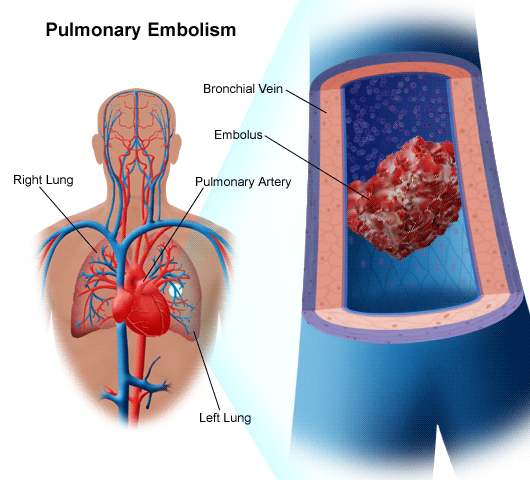
Since March 28th, I have spent 31 days hospitalized, under 3 separate admissions, the last of which was for 18 days and by far the most serious in terms of potential harmful consequences. The pulmonary embolii meant I could have died, suddenly.

But the cardiac care specialist who coordinated my last stay in hospital had me discharged on Friday, May 5th. Since then, I have been engaged in the very important and physically and emotionally draining business of healing.

This time, I have home care nurses visiting me regularly and monitoring my vitals. They have also been involved in educating me about intermittent cathaterization. Although it is definitely an unpleasant experience to self-catheterize, it means I can be at home with my family, eating home-cooked food, listening to music and watching NBA playoff action, and discovering patterns of pain management more readily than would be the case in a hospital room.

Given all the complications I have experienced, I have wondered whether this blog may unnecessarily frighten others about to embark on a similar treatment protocol. But this is reality, for me at least, and I do believe it is better to be informed of all possibilities than to encounter some situations for which you are totally unprepared.

My job, as the home care nurse explained so simply this morning, is to eat, rest, and allow the body to heal, something which, given the complications I've experienced, requires a lot of calories and a lot of time, a positive attitude, and a willingness to set aside expectations for the rate of recovery both I and others have had beforehand. Right now, I figure I'm about 3 weeks behind my preliminary expectations as I was released for the first time from hospital after surgery. Doing useful work for my employer will simply have to wait until I can do useful work for myself first, things like walking, going to the washroom, showering, sitting down for more than 1 minute, and being awake for over an hour at a time.

It's a beautiful Sunday here in Kitchener, Ontario. I can enjoy the view through the patio doors and watch my family outside doing things which seem like remote possibilities for me right now - pulling dandelions, mowing the lawn, and trimming the weeds from the patio. Unfortunately, writing this blog entry is the most ambitious task I can consider.

I will recover and I will regain optimism slowly.

Powered By Quman

Sunday, April 30, 2006

An Unwanted Journey: Day 0158 - More Morphine Please


Two steps forward, several steps backward...and then there's the option of doing nothing but lying flat on your back enduring pain worse than at any other time since surgery. On the day of surgery, nurses introduced me to the pain scale - 0 meant no pain, 10 meant the worst possible pain imaginable.

During the first 8 days of recovery from surgery, it was generally at a 2, sometimes creeping up to to 4. But I had my morphine-based self-administered pain pump which allowed me to function most of the time at a level 2.

With the advent of far more serious bladder cramps Friday than I had ever experienced before, we were in new territory. Friday night was absolutely the worst pain-filled night I have yet experienced, with bladder spasm induced pain spiking easily to 5 and settling most of the time at 3 or 4.

Then came the sub-cutaneous morphine. That would settle things down for about an hour, then the pain would reassert itself (2 mg of morphine). By the time morning came around, I was becoming quite adamant about seeing a urologist and finding some other approach to pain management for what looked to be just a terrible weekend.

We finally settled on both sub-cutaneous needle injections of morphine and needle-stick IV administered morphine, received an order for higher dosages, doubled the buscapan muscle relaxant (so-called antispasmodic), and kept the extra strength Tylenol coming every 4 hours. That made life bearable once again. But there will be no consultation with a urologist until Monday.

Doctors wanted to use suppositories, but I vetoed that based on the low anterior resection and my surgeon's unequivocal comment to me not to use them under any circumstances. Too bad they are the best way to relieve pain of bladder spasms!

I saw my family physician on Saturday, had more college visitors and family visitors, and even have managed to gently walk the medical ward hall circuit once each day. But the price of doing so is a spike in bladder spasms immediately afterwards.

I can see hope though. It's like a piece of fruit hanging on the edge of a branch in a tree just too tall for me to reach out and pick it. Emotionally, I am feeling the affects of not having any semblance of control in my life while being hospitalized this third time. But it's best for me and my family for me to be exactly where I am until I have recovered fully enough not to be a complete burden on my wife and sons.

Tomorrow, I'll have another lung scan to see how the PEs (pulmonary embolii) are doing. I may have the catheter removed in order to test my ability to void on my own. If both are positive, then a discharge in the near future seems possible.

Powered By Qumana

Thursday, April 27, 2006

An Unwanted Journey: Day 0155 - IVC Deployed


The process was painless and relatively straightforward for the patient. I was taken to a unit called interventional radiology, put on a stretcher in what appeared to be a standard operating room but with more high-tech X-ray imaging machinery.

Nursing staff gathered tools and apparatus, cleaned the groin area where the catheter would be inserted and basically explained how the procedure would work once the radiologist arrived.

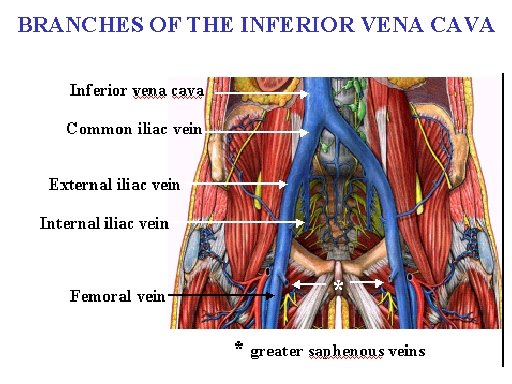
When he did arrive, he further explained what would happen and corrected a mistaken apprehension I had about where the filter would actually be deployed. It did not go to the heart, but was placed in the inferior vena cava, a major vein leading from the legs towards the heart. The groin was used to find a point of entrance, contrast die then injected (all after local freezing) to map out the vascular territory on the screen, followed by another catheter being used to push the device into the inferior vena cava, a balloon inflated to open the filter's wiremesh-like structure, the balloon deflated, and the catherers removed.

The IVC filter is now located just slightly below my kidneys in the inferior vena cava. Any deep vein thrombosis with a thrown clot should now be caught in the filter and eventually dissipated mechanically.

I recovered first in the recovery room for an hour, keeping my legs completely still, followed by another 4-hour recovery in my medical ward bed. Finally, in the late evening, I was able to get out of bed and test the closure point for bleeding by using the washroom with assistance of a nurse. I went to the washroom again on my own a couple more time during the night, and all appears to be healing well.

I need a couple days of monitoring my vital signs, eating and drinking normally, and perhaps beginning to move slowely by foot with some assistance. Today or Friday, my family physician is going to visit as well as other family and friends.

This sounds to me like hopeful news! Friends from WWITPRO dropped by a lovely card and flowers. Friends from work have sent cards. Marg tells me I'm looking good and gives me a confirmatory big kiss before leaving after each visit. My sons are starting to joke around with me again, so I suspect something positive is happening.

When I do go home, I fully intend to remain catheterized for a while. I only what one issue at a time to be of concern. I can always schedule out-patient consultation with the urologist about either self-catheterization or intermittment catheterization. After arriving home, I will need 2-3 weeks of recovery before starting the process of consultations with the surgical oncologist or the systemic oncologist or even consider chemotherapy.

I know for a long time, I won't be taking anything health related for granted.


Powered By Qumana

Tuesday, April 25, 2006

An Unwanted Journey: Day 0153 - Vena Cava Filters

I totally panicked today.

This morning as I got out of bed to go to the bathroom, I bled out all over the bed, the floor and eventually the toilet. Even though I understood theoretically that the blood thinners could cause rectal bleeding, nothing like this has ever happened to me before and I completely stressed out.

The nursing staff cleaned up, took me immediately off the heparin, and then started a reversal process using a protamine IV to reverse the thinning effects of the heparin. They took me off all foods and liquids just in case we could schedule an appointment with a radiologist to implant something called a vena cava filter.

This device is meant precisely for patients like me who have had complications with bleeding from blood thinners but who are still in mortal danger of a pulmonary embolism which could rupture a pulmonary artery and cause death. As it turned out, the radiology department couldn't fit me in today, so it looks like tomorrow morning is when the procedure will be done.

The vena cava filter is inserted in a major vein, directed to the heart by x-rays and the skills of the radiologist, and is then deployed in that part of the heart most susceptible to a clot. The filter is like a wire mesh in which regular blood passes through unimpeded but in which clots are caught and prevented from passing through to the lungs.Even with the device, there is no guarantee that the patient will not suffer a fatal pulmonary embolism. But, if all goes well, the device will assist in my recovery from the deep vein thrombosis which is causing my most serious complication to date.

I'm afraid. But I am in the right place should further complications arise. Maybe tomorrow, I'll have better news about making progress on the road to recovery. I truly hope so.
Powered By Qumana

Saturday, April 22, 2006

An Unwanted Journey: Day 0150 - Serious Complications


This entry will be short.

First, thanks to Ian for filling in for me when the most I could do was breathe. Second, thanks for family and friends for visiting and taking care of me as I suffered through more complications arising from surgery.

My brother died of a massive coronary almost four years ago. It now appears that was almost my fate. Tuesday morning, I collapsed at home. After being admitted first to emergency, then to the cardiac care unit, and just today into a standard medical ward, I have run through many tests.

The most important was the lung scan which shows multiple clots (pulmonary embolisms). The next most important was the ultrasound showing possible renal failure and bladder spasms.

What evidently happened was that a clot travelled to my heart, broke up in the heart and then shot out multiple minor clots to the lungs. This elevated by pulse rate and left me short of breath and in danger of a heart attack similar to what killed my brother.

I am now on heparin to thin the blood and dissipate the clots. But I have also had to catheterize again (removing 2-3 litres of urine and blood each day). In addition, I am starting an antibiotic to fight an infection which is probably in the bladder. I still can't move much at all. In fact, I am most comfortable when I don't move at all, simply letting sleep and drugs work their wonders.

I have had a blood tranfusion, iron pills, multivitamins, aspirin, pentaloc (for the bloody ulcer), Tylenol to fight the fever, etc. I've almost lost track of everything I take.

One good thing is that I have regained a minimal appetite, colour in the cheeks, and some coherency in speech again. My haemoglobin levels are rebounding and I do not have the C-Difficile infection that the intensivist first thought might be the case. The precaution was to put me into contact isolation in the cardiac care unit. This meant everyone who came into my room had to gown and wear gloves. Now that the infection has been ruled out, we're back to monitoring the blood thinners and emptying the bladder through the catheter.

I don't know when I'll be home again. I also don't know when I'll be able to walk further than a few feet to the washroom. Maybe soon. Early next week, there will be further tests, including more ultrasounds and lung scans to see the effect of the treatment. In the meantime, I'm just doing what I'm told to do, eating when I can, resting as much as possible, and dreaming of being at home with my family again.

Powered By Qumana

Thursday, April 20, 2006

An Unwanted Journey: Day 0147 - Readmittance


As many of you have noticed, Don has been absent from this blog for the past few days. He was readmitted back into the hospital on Tuesday the 18th. I had another early day at work, so I did not find out about this most recent set of complications until later in the day. Don had been feeling weak and lightheaded throughout the morning, and took a spill on one of his many trips to the bathroom. Don wasn’t hurt, but the lightheadedness continued, so he was taken into the emergency room.

They ran another battery of tests on Don including ultrasounds, lung scans, and blood tests. The doctor believes that most of his symptoms are related to dehydration and anemia, caused by the surgery. He is getting a blood transfusion as I type this, and this will hopefully improve his condition. Don will be seeing a cardiologist and a urologist to have a look at some irregularities in his heart rate and bladder, which all could have been related to surgery.

Ian

Sunday, April 16, 2006

An Unwanted Journey: Day 0143 - Surviving


I can't believe how difficult this week has been! The loss of blood has been the single biggest setback I've encountered. I understand gastric ulcers are not uncommon when one has compromised the immune system through radiation and chemotherapy and then traumatized it with surgery. But I felt so good after surgery that the complication really threw me completely out of kilter.

When I first arrived home after surgery, I was walking around the block. Right now, I can barely walk to the washroom. That, too, is something that is difficult to handle. Urinating is almost more difficult than bowel movements, mainly because of the bearing down that I have to do to accomplish the task. Everything right now zaps my energy and leaves me feeling on the verge of passing out. I am definitely not used to this!

But things will get better. My haemoglobin levels fell dramatically as I was vomiting blood, but they remained steady enough for my surgeon to give me approval to be released again last Wednesday. Because I am not getting my blood work done daily anymore, I can't tell how well they are rebounding except for the colour in my face and my daily energy levels. It feels like things are improving, but I still don't want to eat or move about much.

When I arrived home, I discovered that the power adapter on my notebook computer had died. It will be another couple days before a replacement arrives. Not that it matters much. Since my readmittance to hospital and second discharge, the last thing I want to do is look at the computer. It just takes far too much energy.

Thanks to all the continuing well wishers. I will become more coherent and capable as I recover, but it will take more time than I ever would have anticipated with this ulcer complication.

My wife and children have been attending to my needs. A very good friend has made regular (and short) visits to my bedside and then to my home to offer words of encouragement. Thanks, John.

I am obviously losing weight, so don't be too surprised if you eventually see someone a little less than you would otherwise recognize. This might be a good thing!

Anyway, doing this has tired me out completely. I'll write again when I can.

Sunday, April 09, 2006

An Unwanted Journey: Day 0136 - Setback


After yet another long day in the local bakery, I returned home to find out about an unwanted setback in Don’s Unwanted Journey. He had had a very difficult day, since he had not been able to keep any food down. My mom informed me that after a very long day of sickness, she was taking him back to the emergency room for what would become yet another stay at the hospital.

When my parents did not return before midnight, I drifted off to sleep. I was awakened bright and early by a call from my boss, and after debating the merits of going in early; I left my room to look for Don. Bedroom? No. Family room? No. Bathroom? No. My Mom informed me that Don had been re-admitted into the hospital. The on-call doctor told Don that he might have a stress ulcer from the rigors of surgery.

The surgical oncologist will be seeing him tomorrow for a more specific diagnosis. He may be in the hospital for a few days, but it should not be too long. We hope to have him home soon, with a new bottle of pills to handle this hurdle in his Unwanted Journey.

Ian

Friday, April 07, 2006

An Unwanted Journey: Day 0134 - BM


Those two letters could stand for a variety of things. In my case, and for my experiences in the past 24 hours, they stand for Bowel Movement, Bad Medicine, and possibly Better Management.

Bowel Movement
Eating solid foods again is a blessing, but waiting for the resected bowels to pass the waste of that new food made me a little apprehensive, so much so that I called the surgeon's office to see how long I should wait before becoming concerned.

Sure enough, 2-3 hours after the phone call, I began passing stool, something which may not be a big deal to most people, but to someone just out of hospital after a resection, this was incredibly good news.

The problem was that it continued, just about every hour, eventually becoming little more than gas and liquid. By then, I was feeling sick.

Bad Medicine
I had been prescribed Tylenol 2 (laced with codeine, a narcotic, and caffeine) orally for post-operative pain relief. It was only Friday morning, after suffering all night, that my wife figured out that I was having a bad reaction to the pain killer. Not only was it doing nothing to relieve the lower back pain, but I was experiencing nervousness, accelerated respiration, inability to sleep, and eventually stomach upset.

After stopping the medication, things got progressively better. Still, the set back cost me another day of nothing but trying to sleep and sip a few liquids. I could eat nothing more than apple sauce and some toast and jam. I slept and slept.

Better Management
The experience has made me realize again how medication can be the source of trouble and not always the cure one hopes for. For now, I'll stick with regular Tylenol, plenty of rest, and hope to regain an appetite. Managing my recovery may be a little more complicated than I anticipated.

Powered By Qumana

Thursday, April 06, 2006

An Unwanted Journey: Day 0133 - Home


It's the sweetest thing I know of, just spending time with you.
It's the little things that make a house a home.
Like a fire softly burning and supper on the stove.
And the light in your eyes that makes me warm.
John Denver, Back Home Again
Yeah, a tad heavy on the syrupy sentimentality. But I sure do appreciate being home again after being discharged from Grand River Hospital yesterday morning. I walked to the car unaided and was able to climb into the seat without help, but I did avail myself of a pillow to protect my incision area from the seat belt. Every little pot hole reminded me that although I was on my way home, it would be a long time before my abdomen feels normal.

Before leaving the surgical ward yesterday, my student nurse, who was with me through the surgery itself and for two days after, wondered if she could remove the staples. It was her first time, and I was apprehensive, but she did a good job removing all 35 metal staples and putting on the temporary clear tape to protect the incision.

When we arrived home, we bundled up and went for a very slow walk to one corner and then another of our street, me dipping my toes into the pavement of the side streets and commenting, "One small step for man, one giant leap for a recovering patient." That was enough exertion, but it felt good to be outside breathing the crisp April air.

Most of the rest of the day was devoted to experimentation. It's amazing how much we take for granted in our daily lives about getting into and out of chairs, lying down in bed, going to the bathroom, climbing and descending the stairs, putting on shoes and socks...all the minutiae which is the background music of our lives. When you cannot take all those things for granted, then you have to experiment and find ways to help yourself or acknowledge help offered from others.

I am healing well. In fact, there is no need for me to have any home care. I can start showering, albeit carefully, eating high fibre foods and doing whatever will assist with the healing process. Just being here at home makes that process so much more attractive.

Powered By Qumana

Tuesday, April 04, 2006

An Unwanted Journey: Day 0131 - Milestones


Life is a series of milestones while recovering from surgery.

The first, and by far the most exciting for me, was temporarily waking up in the recovery room after the operation, asking questions of the student nurse assigned to me from Conestoga College, and then drifting back to sleep while they transferred me to the surgical ward. Knowing that you are alive, albeit almost immobile, and being awake to see my wife and son right after surgery was one of the most euphoric experiences I've had this past week.

Then I had to move on to other less sensational markers of progress along the road to recovery. In the ward, I realized that of all the tubes and devices associated with lower bowel surgery, I was without a nasogastric tube and a drainage tube from the incision. This meant there would be two fewer things to monitor.

But I did have an intravenous line delivering the standard saline solution along with Zantac (prevents reflux of the stomach acids during healing). On the same IV pole was another device for controlling pain medication (dilaudid) through a PCA. Not to mention the urinary catheter and its attendant bags for voiding fluid waste.

Over the next few days, I measured my progress through four things. One was the number of loops of the surgical ward I could walk during the day while holding onto the IV pole. These I gradually increased, proud that there was something under my control that helped my recovery. The second was the gradual decrease in the use of the pain medication until I was taken off the PCA pump and put on ordinary Tylenol oral tablets. The third was the introduction of clear fluids, then other fluids, then finally light, solid food. Finally, getting rid of the urinary catheter and IV itself was definitely life enhancing.

All the way along, there were minor victories and frustrations. My emotions were all over the map (as I've already indicated). At times I was elated. Other times, all the nurses and associated medical practitioners irritated and frustrated me - different stories from different folks. Then there was getting used to feelings of pain-medication induced highs and depression like I haven't experienced in many, many years.

Even when all the tubes and devices were gone, and I was eating solid food, the victories seemed compromised by increased pain from abdominal gas, going to the bathroom and passing only blood and gas, finding it impossible to be comfortable in bed, not sleeping, being awoken my nurses for vitals, blood samples, and oral pain medication. Nothing seemed to be a straight-forward victory or defeat. They were unceremoniously mixed together.

Not only were visits from family and friends a welcome relief, I looked forward to the short, 2-3 minute visit from the surgeon each day. His visits were my red-letter markers for progress during 8 days of hospitalization.

But I'm alive! I am being discharged! My wife and children love me! I have good friends. My medical team is doing their best, and I strongly believe we're moving in the right direction.

Stick with me. This unwanted journey is nowhere near complete, but we've turned some corners and achieved some important milestones along the way.

Powered By Qumana

Saturday, April 01, 2006

An Unwanted Journey: Day 0128 - Mood Shifting


I guess it was, if not inevitable, highly likely. But I still feel like a schmuck. I lost it with the person who least deserves it. My wife and youngest son came by in the evening for what was my wife's third visit of the day. But by the time they arrived, I was ready to vent. I apologized before the visit was over, but she still didn't deserve it. And today, even though Health TV says to expect mood shifts, I still think I could have toned it down.

Friday was called Day 3 in the Colon/Bowel Surgery milestones chart the nursing staff use to orient themselves to typical things to be done for patients as they recover. The milestones are averages of what patients experience and when they experience it. I've been progressing faster than average, so I think part of the problem for the day was my increasingly high expectation levels for myself. Walking the surgical ward loops, for example - Surgery Day, 3 loops; Day 1, 5 loops; Day 2, 6 loops, Day 3, 8 loops, (so far today, Saturday, 11 loops).

Lack of sleep was another problem. Thursday night, I was unable to get any decent sleep from the noise of the ward, constant interruptions and general discomfort. It catches up with you.

Then there were a lot of visitors. It really was great to see so many people, but I had to start asking friends and family to leave.

Then there was the apparently good news that a semi-private room was ready for me. Unfortunately, that meant a lot of unanticipated work for me, given the lack of sleep, visitors, and walking I'd already done. In addition, the nursing staff didn't seem too interested in setting up my room so I could use the computer, the TV, or even gain access to the call button. By the time my wife arrived, I was in a foul mood.

Saturday promises to be much better. I had a good sleep, my surgeon has authorized me to take some food for the first time since Sunday, and my catheter will be scheduled for removal for Sunday. And my son will have a lengthy visit with me this evening so we can watch two Final Four basketball games together with a head phones splitter device. I'll also have more visitors, but I'll be quick to suggest they stay only as long as works for me.

Powered By Qumana

Thursday, March 30, 2006

An Unwanted Journey: Day 0126 - Visitors & Walking


As Ian and Patrick have already indicated, my surgery went very well on Tuesday. I want to thank them for doing the guest blog, making sure readers were informed quickly of the results. They did a great job. I'm a proud Dad!

I've seen my surgeon twice since surgery. He seems pleased with my progress. Actually so do I. I am definitely very sore, especially along the long incision line. Getting in and out of bed is one of the most painful things I've ever done. But everything else is working out well. I've got my notebook computer, my Pocket PC, a TV, a telephone and headphones to make sure the fellow patients in the surgical ward aren't disturbed. I've made some friends in the ward already, one of whom has invited my family to visit him in Listowel on his farm for lunch in the summer when we've both recovered sufficiently.

The nursing staff has been fantastic. They keep pushing me to practice deep breathing with the inspirometer (I think I've finally got that mastered now), to get out of bed and take tediously slow walks pushing the pole with my IV drip, medications, and Foley bag. Yesterday, I made three loops of the surgery ward hall, today four.

Our parish nurse is a nursing teacher at Conestoga College. She was able to get two student nurses for me on Tuesday and Wednesday. One nurse is using my story for a case study, and the other was able to witness the anterior resection surgery directly in the operating room with me. They both lavished me with attention. Getting to know them was a privilege and a blessing.

It is difficult sleeping and keeping comfortable at night. When you have no abdominal muscles left, it's amazing how little you can do to adjust. The ward is also noisy. But the patient controlled analgesia means that I can administer pain killers and get to sleep for an hour or two at a time in the night. Most patients here seem to have the same problem with sleeping, but my incision is, I think, the most painful right now.

A couple good things happened. No drain from the incision and no nasogastric tube. I've also had an incredible outpouring of well wishes from friends, family and colleagues. Today, I had visits from my immediate family, my mother and father and uncle, and the birth maternal grandparents of our sons.

There has been some kick starting of the digestive system already, mainly in the stomach and small intestines, but not even a hint yet of passing gas. As soon as that happens, we'll start reintroducing fluids and then low-residue foods. But core recovery is going to take a very long time. I can't do anything with my abdominal muscles at all except grimace in pain.

It will take time even to respond to all my well wishers. Writing is not easy right now, so I may simply back off for a while yet. This post is simply to tell you all that I've made it through surgery and have good reason to feel quite optimistic.

Powered By Qumana

Tuesday, March 28, 2006

An Unwanted Journey: Day 0124 - High Spirits


Just after dawn another step in Don’s Unwanted Journey, a total mesorectal excision, began. At 6:30 we were lead into a changing room where Don prepared for the most invasive part of his battle with cancer, the removal of his tumor. A nurse led us through the corridors of the hospital to the family waiting room before Don’s surgery. We sat in that room and anxiously discussed what was in store with his student nurse, which he was lucky enough to get with the college strike in Ontario ending the day before. Since this was her first surgery as well, we were all a little nervous. As the clock ticked onwards towards 8:00, a nurse came for Don and we said our goodbyes and wished him all the best.

This wasn’t a short operation by any stretch. But an entire ipod battery charge and most of Brave New World later, the doctor came to tell us the news. The surgery had gone well! He had successfully removed the tumor without the need for an ileostomy. After a couple of hours in recovery we were finally able to see a very groggy and very talkative Don. We were told once he was awake, he asked countless questions, and the nurses said “he must have access to the internet”. This statement really sums up how Don has fought cancer in his own way throughout this unwanted journey, knowledge. He has an insatiable need to know everything he could about what was happening to him.

When he was finally moved out of the O.R. to his bed for the next week or so, saying he was stoned would be an understatement. His pupils were the size of pie plates, but he seemed in very high spirits. He says that he “is feeling better than expected” but he is already bored. I’m sure you loyal readers will see him back writing blogs within a few days. For the time being my brother and I will be handling the blogging, and will try to post regularly about Don.

Ian

Monday, March 27, 2006

An Unwanted Journey: Day 0123 - Ileus, Inspirometer, Confusion


Tomorrow's the big day! There's almost nothing more to do today except the bowel preparation, make a few phone calls, begin reading and viewing the Integral Life Practice materials, nap, and get nervous.

I'm taking one last glance at my books about colorectal cancer to make sure I understand the information about surgery and recovery. I think I get it.

There will be abdominal shaving, an intravenous line set up while I'm still awake, a brief interview with the anaesthesiologist, a quick "see ya later" to my wife and son, a transfer to a narrow operating bed after being rolled on a stretcher into the operating room, possibly a quick hello with the surgeon and then, for me, lights out. I will probably get two types of anesthesia, a general and a spinal, the latter to help with postoperative pain control.

In the recovery room, I will be prodded into consciousness as the antidotes to the anesthesia are administered. Once the anaesthesiologist and recovery nurses are convinced I am breathing fully on my own, the endotracheal tube which was inserted into my mouth and throat to breathe for me during surgery will be removed. The recovery nurses will also monitor vitals to make sure there is no renewed internal bleeding.

When I am rolled back into the surgical ward, I will look something like a newly minted Borg specimen. There will be an oxygen mask, possibly a drain tube from the intestines, a nasogastric tube to assist with removal of gastric juices and gas, the intravenous line, a patient controlled analgesic device (PCA), a urinary catheter, and possibly, just possibly, a stoma with a temporary ileostomy device should the surgeon determine that my bowels will need additional time for the anastomosis to heal properly. All of that, plus the wound and dressings!

The urinary catheter, despite its distasteful aspect, is actually very important in helping nursing staff monitor urine output, thereby helping them adjust the intravenous according to how much fluid loss is occurring in the veins and arteries through a process called third space loss. Three to 4 days later, the dangers associated with third space loss diminish. It is at that time that I can look forward to removal of the urinary catheter, something my prostate cancer friends have warned me is quite unpleasant.

My body, especially my digestive system, will be in a state of shock, something technically called paralytic ileus, when peristalsis stops in the intestines. What this means for me is simply that the digestive system shuts down. So there will be no fluids given through ingestion until I have passed gas. Yes, that's right. I have to demonstrate that I can fart. When that happens, the nasogastric tube can be removed (another unpleasant but important milestone). It should be about the same time that the oxygen mask is also removed, around the 3rd or 4th day.

My duties are to administer pain medication using the PCA device whenever I will move in the bed, get out of bed to walk, or whenever the pain becomes too much. I will use an incentive inspirometer to help me take regular (hourly) deep breaths, something important in preventing pneumonia.

I will also be walked regularly to help prevent clotting in the legs and the possibility of a pulmonary embollism. Even though I promised the radiation therapists in the adjacent cancer centre that I would visit on my fifth day, I now realize that occurs on a Saturday, so that trip will have to wait until Monday, my seventh day in hospital.

There will be regular dressing changes, another unpleasant necessity, removal of stitches in due time (the anastomosis will likely be held together with titanium metal staples), and finally a visit by the surgeon to tell me I can go home.

Apart from being nervous about pain, the various devices, and complications, the one aspect of all this which worries me is the possibility of post-operative confusion. Outbursts, out-of-character emotional responses (well, this might actually be a good thing; imagine me blessing everyone who comes by my bedside; that would certainly be out of character), delusions, etc. There's nothing that I can do beforehand to prepare for this except let me wife and children be forewarned. If I have confusion, I do hope it is minimal. I can hear it already from my friends, colleagues and family members - "Confusion? Too late!"

Powered By Qumana

Sunday, March 26, 2006

An Unwanted Journey: Day 0122 - James & Syd Birrell


Cancer brings unexpected pleasures, one of which is new friends and stories of hope in the worst of circumstances.

Syd Birrell is a father of three children, one of whom passed away from terminal cancer (neuroblastoma) at the age of eight. James Birrell's experiences in facing this terrible disease, along with his mother, father, brother, sister and innumerable friends is the subject of an amazing book and website. The book is something I have referred to earlier in my blog - Ya Can't Let Cancer Ruin Your Day. The website is James Birrell's Website. When you visit, you'll see that Tom Hanks is the honorary patron for the James Fund for Neuroblastoma Research at Sick Kids Hospital in Toronto.

Syd Birrell found my weblog and contacted me recently to make sure I was able to find a copy of the book, something which has actually been by my bedside for a few weeks now. I must warn you, the book is hard to read. I choke back tears every time I pick it up and read a few more entries in the email that Syd sent out to family and friends throughout James's fight with cancer. But there are also incredible stories of laughter, delight, and discovery in the book.

Some day, Syd and I will get together for a good, long chat. We've already committed to do so in our correspondence. In the meantime, I hope you buy the book, visit the website, and make a donation to the fund. And most importantly, recall James's words, "I will always be fighting cancer."

God bless you Syd, your family, your friends and the work you all do for the James Fund.

Powered By Qumana

An Unwanted Journey: Day 0122 - CCAC Supplement


Saturday, March 25, 2006, the Globe & Mail print edition included a special information supplement from the Colorectal Cancer Association of Canada (www.ccac-accc.ca). It's only 2 pages in length, but packs a terrific punch, especially the new marketing phrase - Preventable, Treatable, Beatable.

Possibly the best article in the supplement, at least from my perspective, is the opinion piece by Dr Barry Stein, President of the Colorectal Cancer Association of Canada.

Preventable - Screening? Where is the commitment?
It's unconscionable that the equivalent of 2 wide-body jets crashing each month in Canada with no survivors occurs in this country as a result of colorectal cancer casualties - over 700 men, women, and children die each month in Canada from the disease. As Stein points out, if this were our casualty rate in Afghanistan, how long do you think it would be before there was a parliamentary inquiry?

And yet the best our federal and provincial governments can muster is stuttered steps towards colorectal cancer screening programs recommended by the National Committee on Colorectal Cancer Screening's (NCCCS) panel of experts in 2002. That committee outlined how simple fecal occult blood tests could reduce lives lost by between 15 and 33 percent. Yet as of this moment, despite interest and pilot tests, not a single provincial government has implemented a program. Thousands of lives have been lost by delays.

Treatable - Treatment? Too expensive?
But this isn't the worst of it. Provincial governments like Ontario and Saskatchewan are quibbling over reimbursement of standard treatment practices used in G7 countries, some refusing to pay at all for drugs proven to extend the life of cancer patients.

I'll tell you what's expensive! I have undergone combination chemoradiation therapy, will have major abdominal surgery with a minimum of 8 days of hospitalization, followed by about 6 months of adjuvant chemotherapy and, I hope, numerous checkups during my years of recovery. All of which could have been prevented easily with a colonscopy in my mid to late 40s. That's expensive!

Beatable!
On the other hand, even in my case of an advanced rectosigmoid carcinoma, new medical treatment protocols, advances in imaging technology and availability, regional access to top-of-the-line oncology teams, excellent psycho-social supportive care - these all mean my chances of beating rectal cancer are better than ever before! I will win the battle with my team of experts, family, and friends.


Powered By Qumana

Saturday, March 25, 2006

An Unwanted Journey: Day 0121 - TME Webcast

Tuesday, March 28th, 2006 I'll go to the Grand River Hospital for surgery, a low anterior resection (LAR) to remove part of the rectum and sigmoid colon as well as a total mesorectal excision (TME). The reason for the surgery is to excise a malignant tumour that has been growing for 6 to 8 years. It is a serious abdominal operation that will take about 4 hours in the operation room.

If you are interested, you can see a complete TME procedure webcast from the Brigham and Women's Hospital in Boston, narrated by Michael Zinner, the Chairman of the department of surgery, the operation being performed by Dr Ronald Bleday. In the webcast, it is readily apparent that an entire surgical team is required for what appears to be a relatively small operating field.

Seeing the mesorectal fascia as the excised rectal specimen is removed, I now have a far better visual appreciation for what the pathologist will want to examine during the procedure itself. The complexity of the anterior and posterior dissection, the care with which the nerves and other abdominal structures are preserved and protected, and the vascular complexity of the anatomy all amaze me.

Hearing the narrator address the email questions from surgeons watching the webcast is especially helpful since it addresses many of the questions I have. One was the length of time for urinary catherization for male patients. Three to 4 days postoperatively is standard, partially because of the thoracic epidural used for postoperative pain control - the epidural takes about 3-4 days to leave the system of the patient.

It is also very clear to me that some decisions cannot be made until the time of surgery itself; things like implementing a J-pouch or not, the kind of anastomosis, whether and how long to drain or irrigate, etc. - some things which are determined by space available in the pelvis, the health of the tissues, and the surgeon's personal preferences.

The temporary ileostomy possibility, for instance, depends upon a visual examination of the resected tissues and an almost intuitive sense on the part of the surgeon as to whether there is a risk of leakage in the anastomosis.

In watching this video, I have been pleased to realize the professionalism and currency of the treatment protocol being followed by my medical team at the Grand River Regional Cancer Centre.

Powered By Qumana

Friday, March 24, 2006

An Unwanted Journey: Day 0120 - Integral Life Practice


Tools for the Healing Journey is ostensibly about ordinary people finding ways to help themselves regain a sense of control and peace of mind in the face of a sometimes overwhelming sense of loss of control brought on by a diagnosis of cancer. It is also, if Alistair Cunningham's research is as solid as it appears, a proven program of self-healing.

As I've gone through the first four of six standard sessions at HopeSpring, the material has seemed familiar. And good as it is, I think I've seen even better resources, not specifically about battling cancer, but in establishing life practices that involve the whole person. Integral Transformative Practice and Integral Life Practice are two examples.

Cunningham describes 5 levels of the individual by using a series of 5 concentric circles. Ken Wilber has what I consider to be a far superior model consisting of 4 quadrants and many levels. Because I am familiar with Wilber's model and philosophy and because I find it conceptually persuasive, I will continue my battle with cancer focusing more on it than Cunningham's model. They are compatible in any case.

Wilber has created something called the ILP Starter Kit. The kit is both a set of practices involving body, mind, spirit and shadow and a framework within which the practices are contextualized. This will be my focus for the duration of my cancer treatment. That doesn't mean I will no longer utilize insights from the Healing Journey, just that the program will be supplemental to the core framework and materials of ILP.

Personally, I think even Cunningham would approve. Maybe someday I'll get to chat with him, perhaps make a few suggestions about Wilber's integral model, and somehow participate in extending the reach of his efforts to help cancer patients.

Powered By Qumana

Wednesday, March 22, 2006

An Unwanted Journey: Day 0118 - Crayon Cancer


Today was the final session I will be able to attend at HopeSpring's Tools for the Healing Journey program. We were all present today and had a good discussion about how we're doing with our various treatments. My fellow travellers all wished me well next week with surgery.

We did a guided imagery exercise with our instructor Kathy Hancox, followed by the one exercise I really didn't want to do - drawing something related to healing cancer. I knew we'd do something like this eventually, but I didn't have any clue as to what I might come up with.

Not since primary school have I had any inclination to draw, but I did my bit. The drawing was done with crayons and, in my case, was a combination of anatomy and symbolism. The colon, sigmoid colon and rectum are clearly there in purple outline. The cancer is represented in red as well as 2 lymph nodes in the mesorectum. Most of the lymph nodes are clear. The green is supposed to be shovels cleaning out the cancer in the bowels. The brown is a symbolic representation of the staff of Aesculapius or caduceus and is meant to represent the attention and healing provided by traditional medical interventions including surgery, radiation, and chemotherapy . Finally, the yellow circular surround is the sun, a symbol of light being the single most potent symbol I have encountered in doing the visualization exercises in the program. It is also meant to symbolize self healing through mental exercises, the healing journey program itself.

We saw a short video of Alistair Cunningham with a group of cancer patients reviewing drawings created by former patients of the program. There was also a story at the end about one person's discovery of a potent visualization which worked for him for the duration of his therapy and beyond as he survived his battle with cancer. I now have his materials in WMA format so I can practice visualization, guided imagery, progressive relaxation and goal setting using my UTStarcom 6700 device. This will be useful while I am hospitalized.

Powered By Qumana

Tuesday, March 21, 2006

An Unwanted Journey: Day 0117 - Pre-Surgical Clinic


OK, now I’ll come down from the stratosphere of story theory and up from the adaptive unconscious back to ground level and the straight-forward business of surgery.

Today was the pre-surgical clinic session at Grand River Hospital. To prepare for this session, I had to bring in a form for admission to surgery and a form for the anaesthesiologist, a list of medications, and the containers for each of the medications I’ve had to take since the beginning of the year. I had to have an electrocardiogram, a blood pressure test, and blood samples taken.

The nurse who provided orientation outlined everything that I should expect in undergoing a low anterior resection. We talked about oxygen masks, catheters for liquid waste, tubes in the nose to help remove gastric juices in the stomach, and a possible drainage tube from the vertical incision to help drain the abdomen. Not a pretty sight.

After I am back in the ward, there will be breathing exercises to be performed with a special device every hour, a little exercise each day, beginning with dangling my feet over the edge of the bed, progressing on to a walk from the bed to the door and back again the next day, maybe down part of the hallway the next day, and so on. I’m planning on making it down to the radiation treatment area in the cancer centre by the fifth day to see the therapists who treated me for 5 ½ weeks.

The lengthy 8 days of hospitalization is mainly because bowel surgery requires very careful control of fluid and food intake, the key milestone of which will be the first bowel movement after surgery. That in itself takes a long time since I will not ingest fluids from Monday night at midnight until Friday. There will be intravenous fluids, of course, but no ingestion of anything more than sucking on ice chips for the first three days. After that, they will introduce low-residue foods very slowly and carefully, attempting to give the bowels as much opportunity to heal before getting back to work as possible.

One good thing, I guess, is a device that administers something called Patient Controlled Analgesia, a type of pain relief in which the patient rather than the nursing staff gets to decide when the next dose of pain reliever is administered. The amount is monitored by the nursing staff. The nurses will let me know whether I need to use it more frequently or less frequently.

Now, what about watching the Final Four on TV? I may be well enough to rent a television for the final four NCAA basketball championships in early April.

Saturday, March 18, 2006

An Unwanted Journey: Day 0114 - Stories and the Unconscious

"We tell ourselves stories in order to live...We live entirely, especially if we are writers, by the imposition of a narrative line upon disparate images, by the "ideas" which we have learned to freeze the shifting phantasmagoria which is our actual experience."
-- Joan Didion, The White Album (1979)

I am finding this business of visualization, narration, and what Timothy Wilson calls the "adaptive unconscious" all consuming right now. Part of this is undoubtedly fed by my interest in how the mind can "heal" cancer (see Alistair Cunningham's most recent book Can the Mind Heal Cancer?). But another very significant motivator is my attempt to understand the sense of revelation I've experienced in writing my memoirs.

I cannot claim to have any great insights into the psychology or sociology of story telling, but I am becoming familiar, through my own autobiographical narratives, with the way the mind imposes patterns on the grab bag of the past merely through the effort of recollection and recounting.

Frankly, it amazes me. As I have indicated in these posts since my diagnosis of cancer, the very act of writing has been cathartic. It has been the single most creative response I have found to my condition. Even as I learn about other tools like progressive relaxation, deep muscle relaxation, meditation, visualization, goal setting, etc. through HopeSpring'sTools for the Healing Journey, my own intuitive grasp of the tool of story creation is the one I prefer most of all.

And of that tool, the most useful exercise has been memoirs (don't look for them online; they are not public; the URL is available on request to family and close personal friends). I have no idea if the exercise is healing my cancer, but it is helping me, at least I think it is doing so, at least my conscious mind hopes so.

I am searching for a mechanism or theory to help explain if and how this might work.

What I suspect is that creating stories about my past is a process of identity re-creation. But I also suspect that there is a battle going on between conscious identity re-creation and the unspecified, imperceptible self-concepts of the adaptive unconscious. In other words, while I may be able to renovate my conscious identity quite readily, the foundation of the adaptive unconscious limits what is possible in the "above-ground" of consciousness. Changing the foundation is essential, but extremely difficult.

I live both above ground and below the surface. If stories have contributed to creating a favourable cellular soup for cancer, then I have to find a way to re-create narratives for both the main floor and the basement. That is the only way I can see how the cellular soup can be changed by the mind, consciously and unconsciously (sorry for the mixed metaphors, but it's all I've got right now).

Stories that have created the dispositions and motives of the adaptive unconscious are rooted in early childhood, perhaps genetically predetermined to some extent, and hard to change (according to Timothy Wilson). That may be why researchers like Alistair Cunningham have had such a difficult time establishing credibility for their insights that the mind can affect the course of cancer, albeit only with great perseverance and determination.

The adaptive unconscious acts according to rules, using a kind of primitive "if-then" logic - "if I feel that someone is becoming aggressive with me, then I get angry, but say nothing, holding a grudge and looking for ways to sabotage that person in the future." In other words, the "if-then" logic is following a narrative template below the level of conscious perception. Here, then, is a possible link between personality and the biological conditions which either promote or hinder the growth of cancer cells.

Wilson documents how long-term, detailed written narratives about traumatic emotional events and psychoanalytic therapy which focuses on creating a constructive self-narrative both provide tangible benefits to clients and patients. These self-stories seem to work by being accurate in the sense of including the nonconscious aspects of one's personality, by providing peace of mind, and by providing a coherence hitherto missing in one's life, a coherence that obviates endless rumination and negativity. In addition, the story must be credible. If it isn't, it simply doesn't satisfy either the conscious mind or the adaptive unconscious.

I don't know if I'll ever have a decent grasp of the connection between narrative and biochemical processes in the body. What I do know is that my current experiment is about changing the narratives about myself from maladaptive to adaptive, from ill-conceived and inaccurate to appropriate and congruent with who I really am (not just who I think I am), from destructive to constructive.
Powered By Qumana

Wednesday, March 15, 2006

An Unwanted Journey: Day 0111 - The Narrative Impulse


Today at HopeSpring we dealt with healing imagery. Because it is March break, our numbers were low, but that meant that those who were able to attend could ask more questions and discuss problems with practicing visualization in greater depth than would otherwise be the case.

Visualization is difficult for me, mainly because I have problems using images which seem to be contrary to what medical science teaches us about cancer. If someone suggests I imagine chemotherapy surging through my blood stream seeking out cancer cells and selectively destroying them, then I find myself saying, “But chemotherapy drugs aren’t particular about what cells they destroy. In fact, they are equal opportunity hit men, killing both healthy and cancerous cells.” In other words, if the images are inaccurate, I find them inappropriate and ineffective.

Ironically, though, I find it easy to draw analogies between other people’s stories about their own battles with cancer and mine. I also find it relatively easy to draw comparisons from narratives not specifically about cancer to my own situation. The major difference here is that I’m not visualizing imaginary situations; I’m merely following another narrative and drawing allusions to my life situation.

One of those narratives from which I draw inspiration is The Lord of the Rings.

In LOTR, as with cancer, the protagonists undergo an unwanted journey. It is something they have to do to save Middle Earth. They still have to volunteer to undertake the journey, but it is not a journey which is attractive in itself. On the contrary, there will be destinations which are the stuff of nightmare.

Sauron, like cancer, first appears only in the hidden places of Middle Earth. His underlings are found in caves, under mountains, hidden from the light of day and hesitant to face the citizens of Middle Earth directly. Then, suddenly and with incredible ferocity, the attacks come. And they come with such intensity as to completely overwhelm the defences of those protecting the land.

Each protagonist has to reach deep to find the resources necessary to make a difference, often without realizing those resources are there buried below consciousness. As each challenge presents itself, they search and find those virtues we all admire – love, devotion, friendship, courage, persistence, heroism, bravery. Individually, they find their talents and abilities and bring them to bear. But it is not individual effort alone which makes the difference. It is the fellowship that matters. It is the sublimation of the individual to the needs of the group. Ironically, in Frodo’s case, there is even complete and utter failure at the very end with salvation coming only because of his alter-ego.

At significant stages in the journey, there is sacrifice, death, injury, loss, sorrow and hurt. There are brutal battles. But there are also battles of the heart, where each person has to seek and find the mental and emotional tools to do what is required of them.

In the end, even though the battle is won and Sauron overthrown, nothing is ever the same. There are wounds that never truly heal. Some of the magic and wonder of Middle Earth is lost as the Third Age gives way to the Fourth Age, the age of man. The elves leave, the dwarves disappear deeper into their mountains, and the wizards are no longer needed. Only mankind, older and wiser, and nursing their hurts and celebrating their victories is left.

It’s only a story, I know. And that’s the advantage for me. I draw the analogies. I find the comparisons and contrasts and apply it to my journey exactly like anyone who compares stories. I’m not pretending. I’m participating in narrative. I don’t know if that means it is effective as a tool to fight cancer. But I suspect that immersion in story has to be at least as beneficial as visualizing biological processes that one knows are factually inaccurate.

Sunday, March 12, 2006

An Unwanted Journey: Day 0108 - Cancer isn't me


Lance Armstrong called his cancer The Bastard. I identify with that impulse. As I said to one of the many oncology nurses I've come to know, I'm reluctant to say things like "I've got cancer, " or "I have cancer," because it seems to imply that cancer is part of my identity somehow. While that might be true in a very simplistic sense, it's not true existentially. My ego, my self sense, has no place in it whatsoever for cancer. Cancer is not blood of my blood, bone of my bone, flesh of my flesh. It truly is The Bastard.

It might be here with me right now, but I'm fighting it. I'm doing what I can to rid my body of it completely. I'm enlisting all the medical support I can to do one thing - destroy this thing entirely.

It's like that new commercial on TV these days about Cancer Centers of America. Their slogan is Winning the fight against cancer every day. The commercial has a man talking in very specific terms. "I went in one hour from 'you have no chance' to 'we have a team here that will provide you with with lots of hope'." From that point on in the commercial, the language is almost entirely martial - the fight, the battle.

These American cancer centers are very explicit about employing something called integrative care. Part of that care is a deep respect for spirituality. So the question becomes, "How do spirituality and military language work together?" Well, the short answer is "They just do." The longer answer is that spirituality is about the real person, the self concept, that part of identity in which cancer has no place, whether you call that part the soul, spirit, God, transcendence - whatever. Cancer has no place, either in self-descriptive language or self-concept. It's illegitimate.

Technorati Tags : , , , , , , ,

Powered By Qumana

Wednesday, March 08, 2006

An Unwanted Journey: Day 0104 - NHL


Non-Hodgkin's Lymphoma.

No, this has nothing to do with me personally, except to the extent that everywhere I look these days, there's cancer. It's not a simple matter of being more aware (although I'm sure that's partially true). It's a matter of there really being more people in my life for whom cancer is rearing its ugly head.

My aunt's sister just died of lung cancer. Today, I sat in a room with 4 other people with various forms of cancer, all unlike the one I am battling. And then I just got off the phone with a friend whose mother-in-law has just been diagnosed with NHL, B-cell type. As we spoke, I scanned Internet sites, just as he had done last night. We both realized almost immediately that even though there has been progress in finally coming up with a diagnosis (and, believe me, it has taken quite a lot of tests and a lot of time to get to a diagnosis), the situation is incredibly complicated.

My experiences with cancer and cancer treatment are almost useless to my friends, since the differences are greater than the similarities. What we do know is the NHL is a cancer of the very system that is meant to protect the body against disease. It can be slow growing or aggressive and treatments vary dramatically.

Oddly enough, before I even knew of the NHL diagnosis today, when we were in our circle at HopeSpring and were visualizing healing light entering our bodies in a chain of healing, we were invited to imagine that healing light going out to someone in need. The very first people to come to my mind were these specific friends and their mother.

Some days, you just want to scream. Some days, you just wish there was something useful to say or do...and there is, but sometimes it seems so meagre.

Technorati Tags : , , ,

Powered By Qumana

Monday, March 06, 2006

An Unwanted Journey: Day 0102 - Surgical Suggestions


I visited my surgical oncologist today. We began with a final physical exam, including a DRE that revealed precisely nothing...that's good news. In fact, when I asked the surgeon about the DRE, he said there was nothing, he had expected nothing, and that the rectal tumour was probably now little more than an ulcer, not something a DRE would detect. Even my own descriptions of the diameter of stool is not too significant at this point.

Then it was time for Q&A. I had already received instructions for bowel preparation from the surgeon's executive assistant, forms for the pre-surgical clinic and questions to answer for the anethesiologist, so those questions were unnecessary.

I asked about pre-surgical medical imaging. No more images are necessary, as I expected. The surgical procedure is called a low anterior resection and will proceed according to the pre-surgical staging diagnosis. Part of the sigmoid colon will be removed as well as all but 8 cm of the rectum. Then, as long as the remaining tissues have healed and appear to be able to hold the anastomosis staples, the ends of the colon and rectum will be resectioned.

The incision in the abdomen will be a long vertical one starting at the pubic bone and going northward as far as is necessary to accommodate the surgeon. The mesorectum will be removed entirely. During that part of the operation, the pathologist will be present so that documentation of a clear margin can be done immediately. Then the pathologist will take the specimen and begin slicing, dicing and evaluating lymph node involvement, the grade of cancer still present, etc. The pathology report will be delivered about 8-10 days after surgery.

About 10 lymph nodes will be examined very carefully as part of the pathology report. The results are important for the medical oncologist in a way that I don't yet understand but which will help him determine the exact combination of chemotherapy drugs and the delivery mechanism for my third stage of treatment.

The operating room is booked for 4 hours. There will be another 2-3 hours before I am conscious after surgery. At that point, after seeing my wife and sons, I will be looking to my right side to see if I have a device attached to my abdomen. If so, then it will be because I have had a temporary ileostomy .

My surgeon explained that I will most likely not have a colostomy, but approximately 15% of patients will require a second surgery because of a determination of the surgical team that the resected tissues are problematic in some way. If that determination is made, then part of the colon will be used for something called a J-pouch which is like a replacement rectum. Then, at the bottom of the small intestine and start of the large intestine is something called the ileum. That will be pulled as a loop outside the abdomen through a surgically created stoma. All effluent created by the digestive system will leave the body through that stoma into a device attached to the abdomen.

The temporary ileostomy allows what remains of the rectum, the J-pouch, and the colon to heal. Then, after a period of 3-6 months, a second surgery will be scheduled to reverse the stoma, reconnect the ilium to the large intestine, and allow the body to defecate in a normal manner. Normal? Well, I guess I'll just have to wait and see what kind of quality of life there will be, whether there is a temporary ileostomy or not. I expect there to be some problems, but I'll do whatever I can to promote healing and improve my chances for good quality of life.

After surgery, I'll remain in hospital for about 8 days, followed by recovery of another 5-10 weeks at home. Just 3 weeks after surgery, I'll be meeting with the medical oncologist to discuss the chemotherapy protocol we'll be following. This third and, I hope, final stage of treatment will take up to 6 months.

This all assumes there are no complications, the most common of which is thrombosis in the legs. I will be given blood thinners prior to surgery to help prevent that eventuality. But I have this covered ;>)

I asked the surgeon to humour me for a minute. Then, I explained how research has shown that patients under anesthesia, when given a verbal suggestion by the surgeon that they will recover more quickly than normal, do just that. So, smiling, he assured me that as soon as I was completely under, he will come around the surgical table to tell me that I will recover quickly, then he'll start his real job.

But my job, between now and then, is to enjoy myself, eat well, do those progressive relaxation exercises, think positively, imagine good outcomes, exercise, and prepare for my recovery.

Powered By Qumana

Saturday, March 04, 2006

An Unwanted Journey: Day 0100 - Friends and Family


Some people surprise you, others don't. Some people know what to say, when to say it, and when to be quiet. Others don't know what to say, or say too much, or say something and don't mean it. That's just the way it is.

The real trick is in handling myself. After all, I can't control other people, not directly at least. Most of the time, I can't even seem to control myself. But, when I pause and reflect, when I practice mental monitoring, progressive relaxation and other self-help techniques, sometimes I can make a difference.

Friends - I have a few who are or have gone through tough times. Maybe not surprisingly they are the ones who seem to say or do the appropriate thing when confronted with my battle with cancer. In turn, I can sometimes listen more empathetically to them when they decide to share their own troubles with me. As Shel Israel might say, it's about conversation...yes, but it's also about compassion. The give-and-take, whether skilled or not, makes the compassion easier.

Family - I have a large family, some of whom write, call, or otherwise make it clear that they share concern for my wellbeing. Some are remarkably capable in knowing what to say and how to say it. Others are not experienced or skilled or, perhaps, even aware that something should be said. That's just the way it is.

But for those this week who wrote, called, took me out for coffee and a chat, prayed, or even gave some thought, thanks.

Technorati Tags : , , , , ,

Powered By Qumana

Wednesday, March 01, 2006

An Unwanted Journey: Day 0097 - Music and Memory


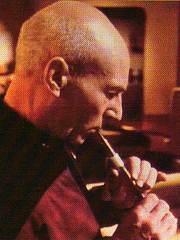
It is definitely my favourite Star Trek - The Next Generation episode - "The Inner Light". In this 1992 (Episode #125, Stardate: 45944.1) hour-long episode, the Enterprise detects a probe which establishes a link with Captain Picard for about 25 minutes. During that length of time, Picard "remembers" his life as Kamin on the planet of Kataan, married to Eline. During his lifetime there, three momentous things happen to him. Kamin and his wife have two children. His scientific research leads him to conclude that their sun will soon supernova, thereby obliterating all life in the star system. And Kamin learns to play the Ressikan flute.

Later in the series ("Lessons"), there would be another reference to Picard's flute playing, but it is this earlier episode which has transfixed me over the years. Today, as I watched the rerun in syndication on The Space Channel, it was almost too much to bear.

One moment especially stands out. Kamin says to his daughter, Meribor, "Seize the day, Meribor. Live now! Make NOW always the most precious time! Now will never come again."

That scene and the scene at the very end of the episode where Picard is back on the Enterprise, adjusting to his life as Captain once again, and he is presented with a box taken from the probe. Inside the box is his beloved Ressikan flute. After Riker leaves, Picard takes the flute out of the box, holds it to his chest, and then plays the piece of music he had composed in his life on Kataan.

Do I need to explain why tears flowed as I watched this episode?

Perhaps not. But for those who don't get it, it's because of the poignant juxtaposition of memory and music, of loss and survival, of integrity and purpose, of determination and gentleness.

There are, inevitably, occasions when the most important thing in the universe we can do is pick up the flute (or other musical instrument) and play a tune. There are times when we must face our destiny, whatever that might be, and realize that memory is the best gift of all to bequeath those who follow. NOW will never come again. In fact, that is all we truly have anyway.

Technorati Tags : , , , , ,
Powered By Qumana

An Unwanted Journey: Day 0097 - Tools and Talking, Together


I wrote earlier of registering for a core program from HopeSpring called Tools for the Healing Journey. As soon as I was introduced to the facilitator, Kathy Hancox, we both realized we already knew one another. Evidently, many years earlier Kathy was a student in a tutorial I led for the History Department of the University of Waterloo. Now, our roles are reversed.

Kathy is also a qualified Rubenfeld Synergist. This should uniquely qualify her for leading our 6-week session, something which she has been doing for the centre for 5 years.

Today's session was a good introduction to the program. We spoke one-on-one with another program participant about ourselves, got to know the other group members and discussed our experience of cancer and the treatment process. As I was the last person to speak to the group about my diagnosis and treatment thus far, I felt humbled by the problems the other group members are facing, including three of whom spoke of metastasis of their cancer.

We were also introduced to a progressive relaxation exercise which was absolutely fantastic! We were given tapes and a booklet authored by Alistair Cunningham, himself a colorectal cancer survivor. Part of our homework is to read the introduction and first chapter of the booklet and do the progressive relaxation once or twice daily (keeping a log of our efforts).

I look forward to becoming better acquainted with the group members, our facilitator, and the program throughout the next few weeks before surgery.

Technorati Tags : , , , , , ,
Powered By Qumana